

Cultural and Technological Integration in Shanxi: A Blueprint for Innovation
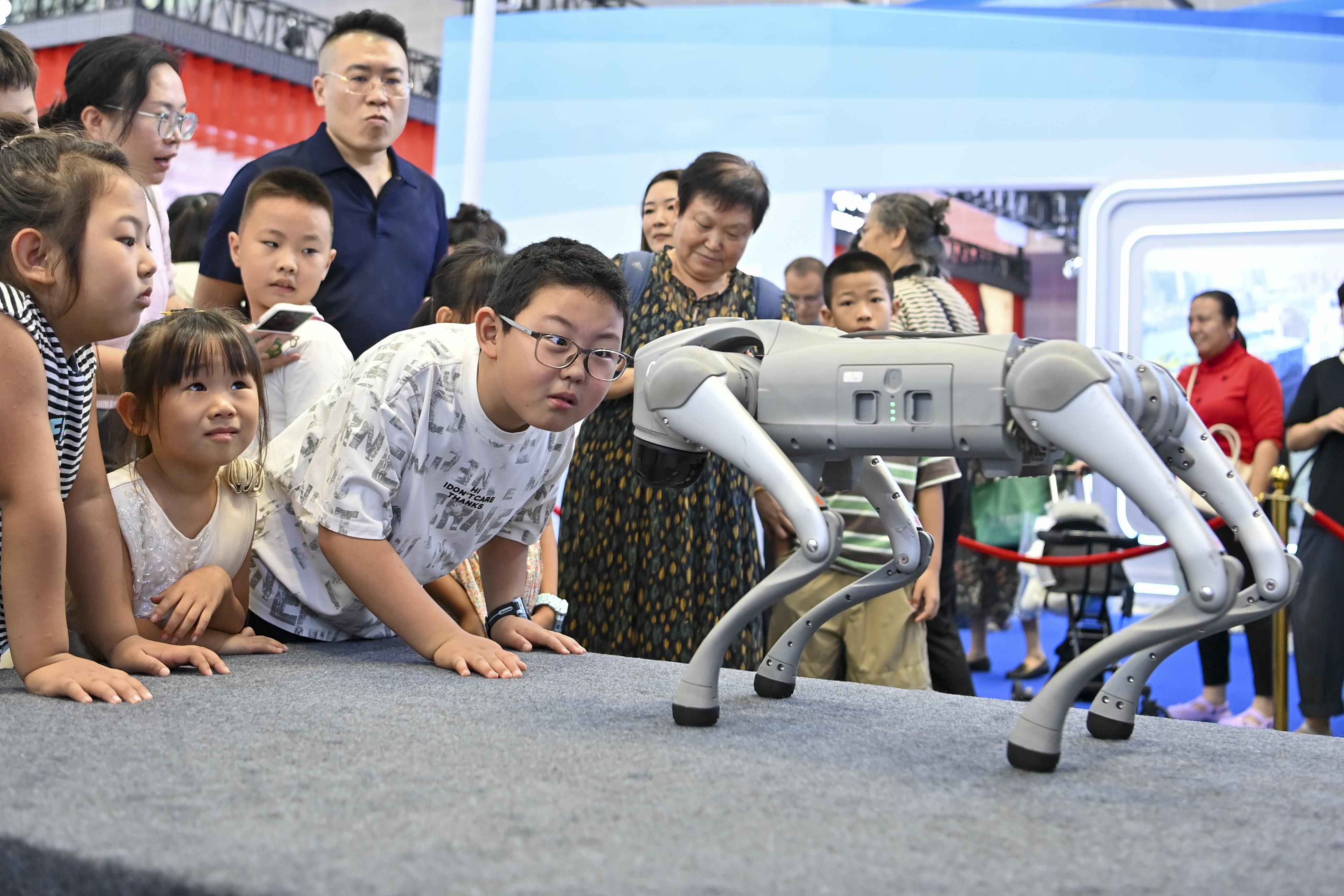
Shanxi province in north China is emerging as a beacon of innovation, with its rich cultural heritage seamlessly integrating with cutting-edge technologies.
The province has rolled out a series of initiatives to integrate AI, digital technologies, and microbial technologies to preserve, inherit, and revitalize its cultural heritage. It is utilizing technological advancements to enhance both its cultural preservation efforts and the tourism industry.
One of the most remarkable achievements is the creation of a digital portal for Shanxi's cultural tourism. The portal consolidates a vast array of data to monitor the operational status of 390 A-grade tourist sites, ensuring efficient management, real-time updates, and even unified scheduling during peak seasons. As a result, it has become an indispensable tool for both tourism businesses and consumers, offering a centralized platform for information and services. It has laid the foundation for a comprehensive, digitalized governance system in the tourism sector.
The micro-drama industry has also seen explosive growth, particularly in Linfen, a city in south Shanxi. A new 20,000-square-meter micro-drama production base has been established, emphasizing innovation in content and production techniques.
This platform explores the integration of micro-drama with other sectors like cultural tourism and intangible heritage. This collaborative approach has led to a flourishing cultural industry that boosts local economies and strengthens Shanxi's cultural brand.
Moreover, Shanxi is leveraging advanced technologies to preserve its precious cultural artifacts. The Iron Buddha Temple project, which uses 3D printing to recreate ancient sculptures, exemplifies this innovative blend of tradition and technology.
The project has successfully digitized endangered sculptures, ensuring their preservation and enabling global access. In a similar vein, a cultural model evolving around Guan Gong, also known as Guan Yu, a revered figure in Chinese culture, integrates AI and VR technologies to create an interactive digital experience. This initiative not only enhances public engagement with cultural history but also fosters deeper connections between youth and traditional culture.
The province is employing microbiological techniques to restore weathered relics in the Yungang Grottoes, a UNESCO World Heritage Site with over 250 caves and 51,000 statues. By using bio-mineralization technology, researchers have "healed" the sandstone sculptures that suffered from centuries of erosion.
Shanxi's pioneering approach demonstrates how the fusion of cultural heritage with technology opens new paths for preservation, innovation, and economic development, providing a model for other regions to follow.