

Blueprint for Integrated New Energy Development
China's new policy blueprint to accelerate integrated and coordinated development of new energy marks a decisive shift in how the country plans, builds, and operates its rapidly expanding clean energy system.
The Guiding Opinions on Promoting Integrated and Synergistic Development of New Energy, issued by the National Energy Administration, position "integration and fusion" as the central pathway for the next stage of energy transition.
With new energy installed capacity surpassing coal for the first time during the 14th Five-Year Plan period, the document signals a structural recalibration aimed at ensuring both large-scale deployment and high-quality consumption of renewables.
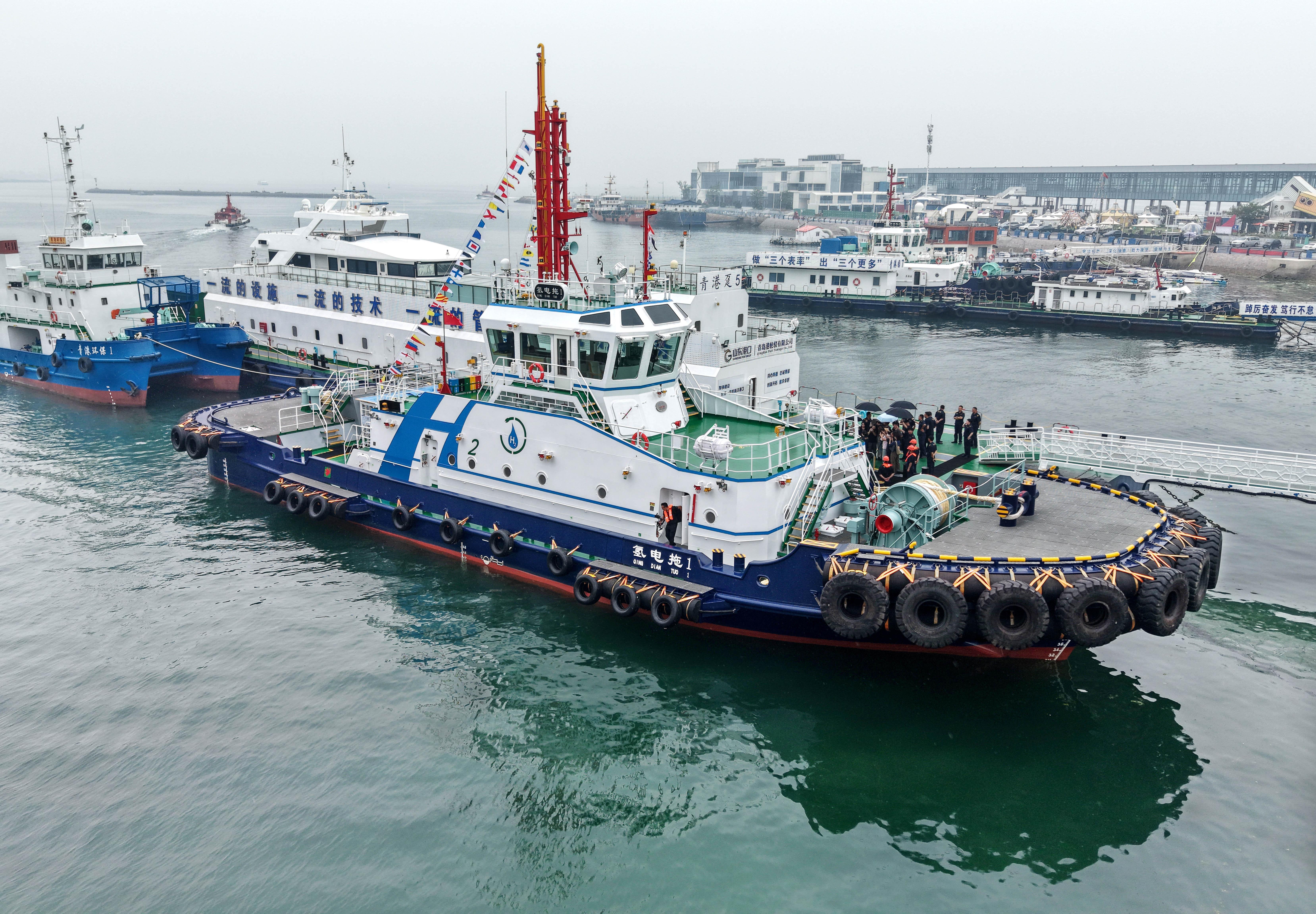
The policy calls for comprehensive overhaul of development models across solar, wind, hydropower, storage, hydrogen, and emerging non-electric applications. By 2030, integrated development is expected to become a dominant paradigm, significantly enhancing the reliability, competitiveness, and systemic value of new energy while supporting broader green transformation.
A major pillar of the policy is multi-dimensional integrated development. The government will optimize the energy mix and storage ratios of large "sand-desert-Gobi" renewable bases, expand the role of dispatchable sources such as concentrated solar power, and deepen collaboration between renewables and coal for peak-shaving through molten salt storage, green ammonia co-firing, and other technologies.
China will also push water-wind-solar integration across major river basins and explore 100 percent renewable energy bases supported by pumped storage and new storage technologies. Provinces are encouraged to expand complementary wind, solar, gas, and storage development.
Spatial planning will be tightened to promote land-efficient, co-located wind-solar projects, large-scale offshore wind clusters, and multi-use marine energy infrastructure. Distributed renewables will be expanded across transportation hubs, buildings, rural areas, and islands, supported by flexible grids, smart microgrids, vehicle-to-grid technology, and integrated "photovoltaic-storage-charging" solutions.
A deeper industrial transformation is central to the plan. China aims to drive "green manufacturing with green power" by building renewable-powered industrial clusters and low-carbon parks using green electricity, microgrids, and green-certificate trading.
High energy-consuming industries are encouraged to relocate to renewable rich regions and upgrade processes to improve flexibility and reduce carbon intensity.
Emerging sectors such as computing power, new materials, and high-end manufacturing will be integrated with renewable bases, including the deployment of data centers near offshore wind farms.
Non-electric uses of renewables will be significantly expanded. China will strengthen wind-solar-hydrogen-storage coordination, accelerate R&D in dynamic electrolyzer operation, build large-scale green hydrogen, ammonia, and methanol bases, and integrate renewable heating through heat pumps, geothermal, hybrid heat sources, and long-duration thermal storage.
To ensure effective implementation, the policy mandates unified project planning, accelerated approval, optimized grid dispatch, stronger market mechanisms, multi-year green-power purchase agreements, and improved capacity compensation. It also calls for certification systems for green hydrogen and other non-electric energy carriers.
Overall, the guidance represents a strategic upgrade of China's new energy roadmap, shifting from rapid expansion toward deeply integrated, technologically advanced, and system-optimized development capable of underpinning China's long-term energy security and green modernization.