

APEC 'China Year' to Boost Regional Prosperity
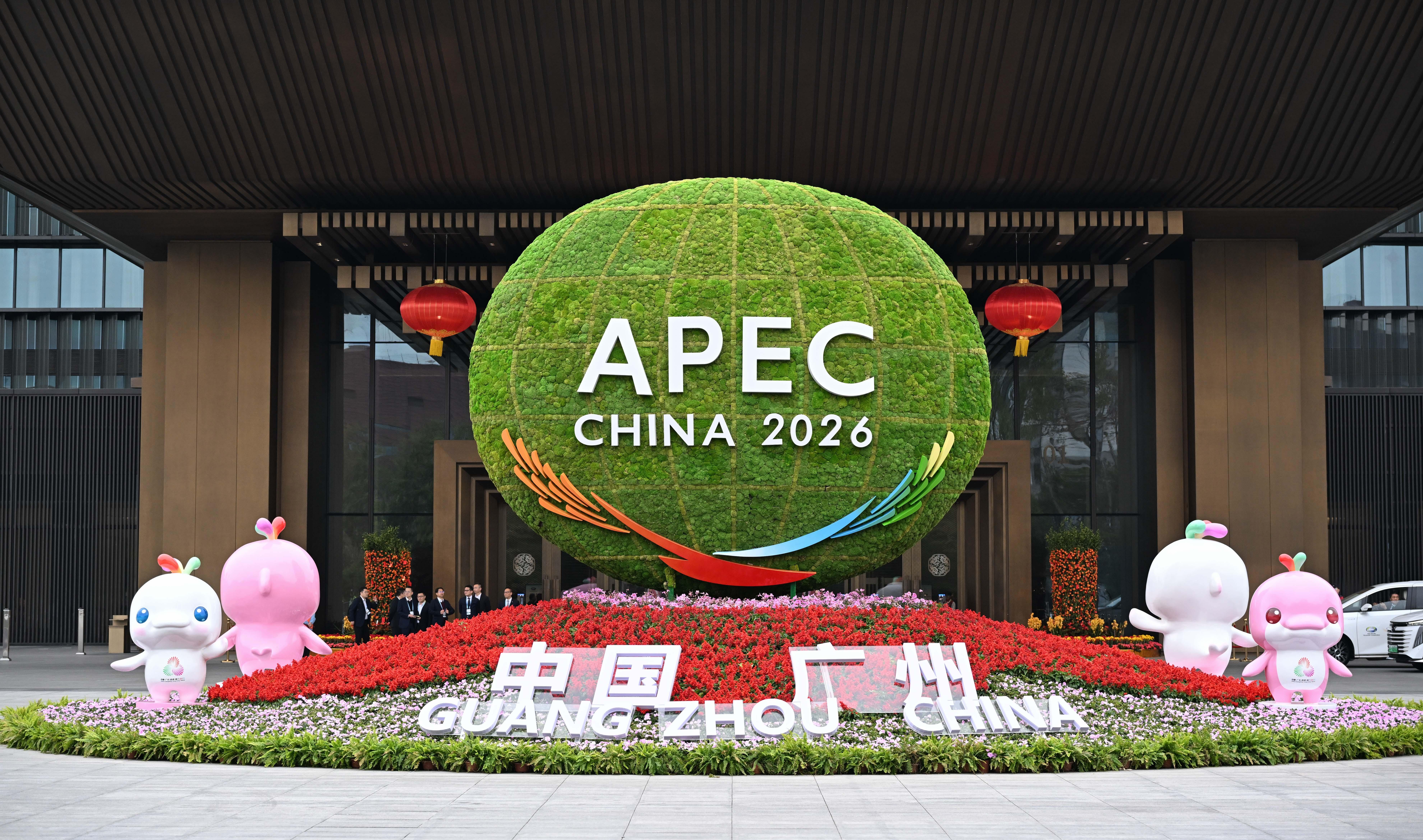
Chinese Foreign Minister Wang Yi called for building a prosperous and stable Asia-Pacific at the opening session of the First Asia-Pacific Economic Cooperation (APEC) 2026 Senior Officials' Meeting (SOM), held recently in Guangzhou, south China's Guangdong province.
The first SOM and related meetings took place from February 1 to 10 in Guangzhou. They were the first official event China held as host of APEC in 2026.
The APEC "China Year" adopted a theme of "Building an Asia-Pacific Community to Prosper Together." It carries forward both APEC's consistent vision and reflects a deeper commitment to further elevating regional cooperation, based on the achievements already made, Wang said.
China will focus on the three priorities of openness, innovation and cooperation, and advance the following key tasks: firmly upholding one main goal, exploring two key pathways, accelerating three major transformations, and deepening multifaceted cooperation.
"We should be more determined than ever to hold high the banner of building an Asia-Pacific community and explore objectives and a roadmap for community-building in the period ahead," Wang said.
He encouraged parties to advance the process of building a free trade area of the Asia-Pacific and improve the network of connectivity, saying the APEC connectivity blueprint for 2015-2025 proposed at the 2014 Beijing meeting has already delivered important progress. "We should build on that," Wang said.
Digital, smart and green transformations driven by innovation represent new growth drivers for APEC economies and the sure path to sustainable development, Wang said, calling on APEC members to actively build science, technology and innovation partnerships and foster an open innovation ecosystem.
The strength of digital technologies to advance practical cooperation in cross-border e-commerce, data flows, and smart customs should be fully leveraged. Efforts should also be made to promote people-centered AI and AI for good, and build greater consensus on how AI can empower growth and on AI governance rules. In addition, green and low-carbon development should be accelerated, and more cooperation initiatives put forward in clean energy, green minerals, environmental protection and related fields, according to Wang.
He also said there is a need to deepen practical cooperation across wide-ranging areas of governance that are integral to development, while bearing in mind the diversity among APEC members. In response to the common development challenges confronting the entire Asia-Pacific region, practical cooperation in fiscal, transportation, tourism, public health, aging, food security and other fields should be deepened, Wang said.
China will host approximately 300 related activities throughout the year, including SOMs and ministerial meetings. The 33rd APEC Economic Leaders' Meeting will be held in Shenzhen, Guangdong province in November.
SOMs are the main channel for advancing APEC cooperation and preparing deliverables for the Leaders' Meeting, and will be held in Guangzhou, Shanghai and Dalian in February, May and August, respectively.
Meanwhile, ministerial meetings will be responsible for driving pragmatic cooperation processes in various sectors of APEC. From May to October, there will be around 10 ministerial meetings held in cities across China, covering fields such as energy, transportation, digital economy, food security, human resources, trade, finance, tourism, small and medium-sized enterprises and women's affairs.