
友情鏈接
- Copyright ? Science and Technology Daily, All Rights Reserved
- 科技日報社 中國科技網 版權所有
- 京ICP備06005116號
- 違法和不良信息舉報電話:010-58884152
- 京公網安備 110402500060

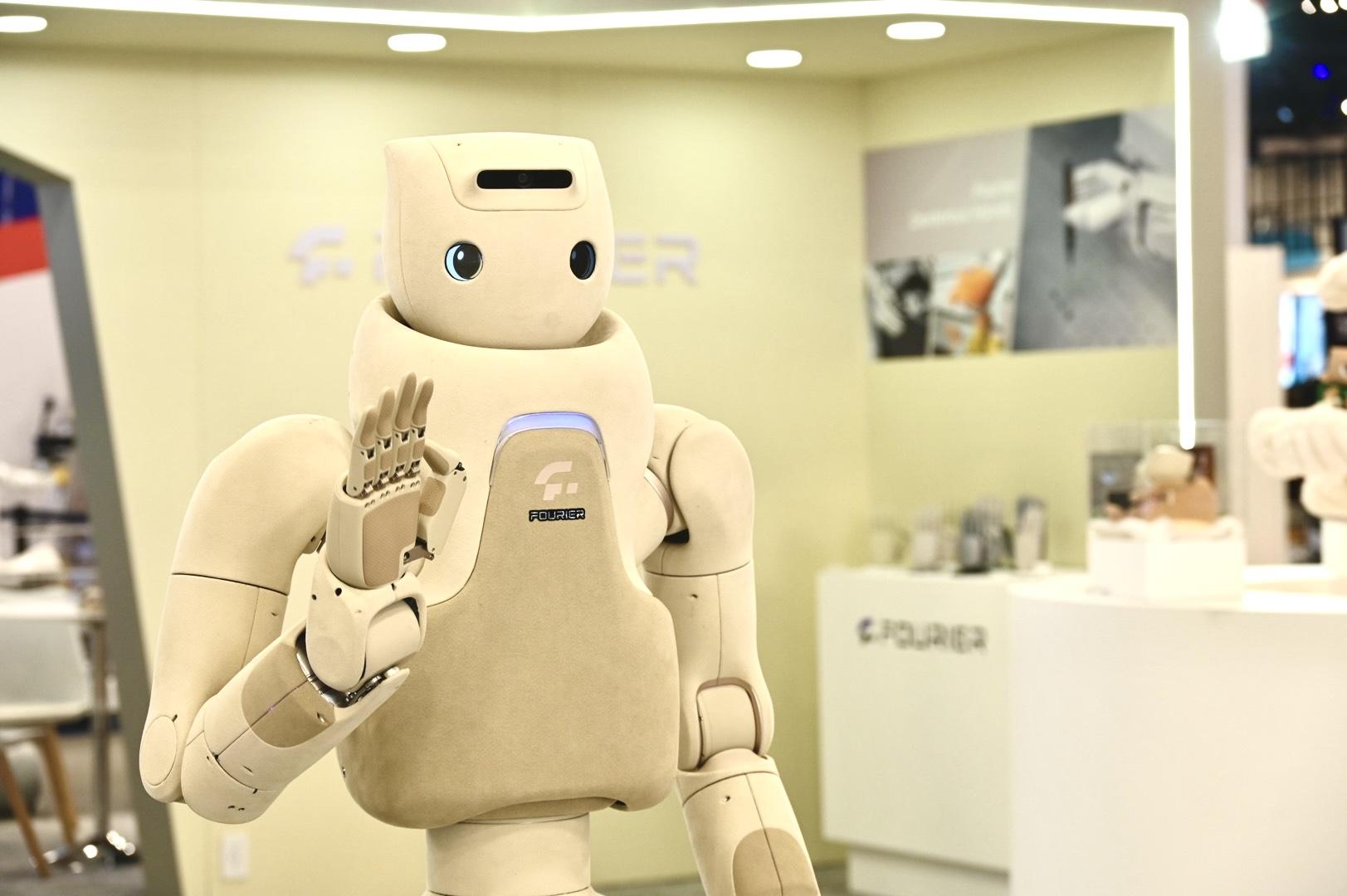
At the recently wrapped-up Consumer Electronics Show (CES) 2026 in Las Vegas, the U.S., Chinese companies once again emerged as some of the most visible and influential innovators on the global stage.
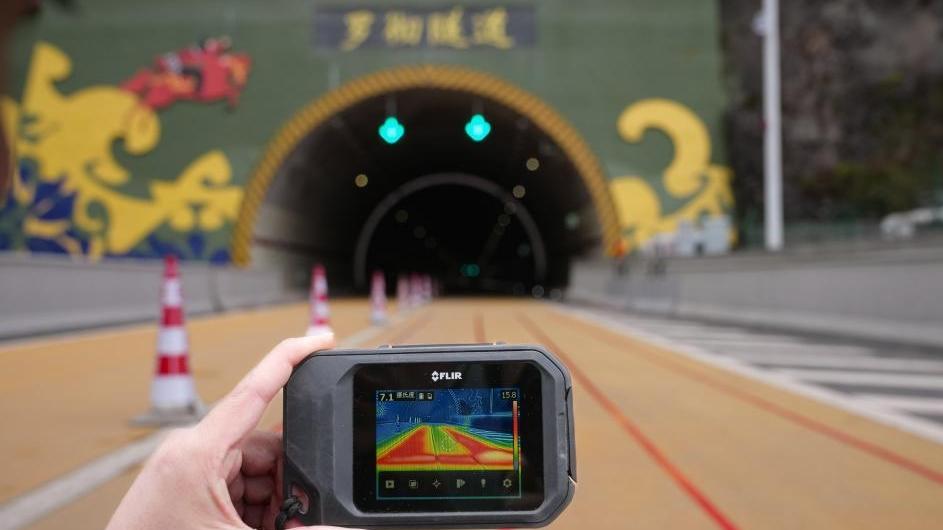
?With the onset of winter, high-altitude mountain roads in China are often covered with snow and concealed ice, posing a significant danger while driving. In the section of the newly opened Leshan-Xichang Expressway in Leibo county, Sichuan province, southwestern China, an innovative intelligent loop heat pipe snow-melting system has been implemented. This technology is like laying "floor heating" on the road surface, automatically eliminating snow and concealed ice, thereby reducing driving risks.

?"There is a great river flowing eastward towards the sun, all the way to the sea. This dark river is called the Heilongjiang..."

Chinese researchers, led by Soochow University in east China, have resolved key challenges in maintaining efficiency and stability in flexible tandem solar cells. This is a milestone breakthrough in silicon-based flexible photovoltaics. The study was published in Nature.
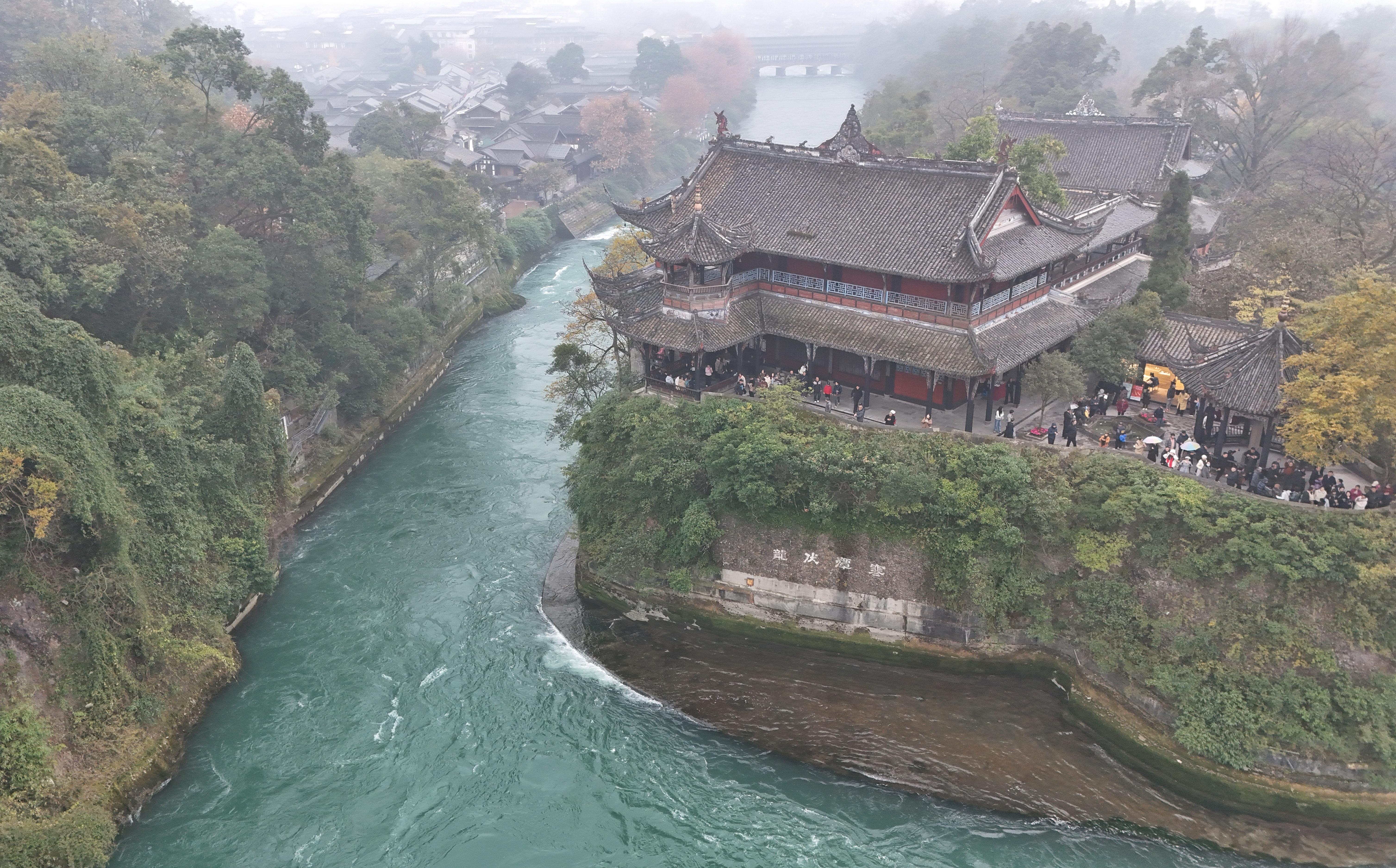
The Dujiangyan irrigation system, located in the western part of the Chengdu Plain in southwest China, is an ecological engineering feat originally constructed around 256 BC.
The annual Central Economic Work Conference was held in Beijing from Wednesday to Thursday as Chinese leaders decided priorities for the economic work in 2026.
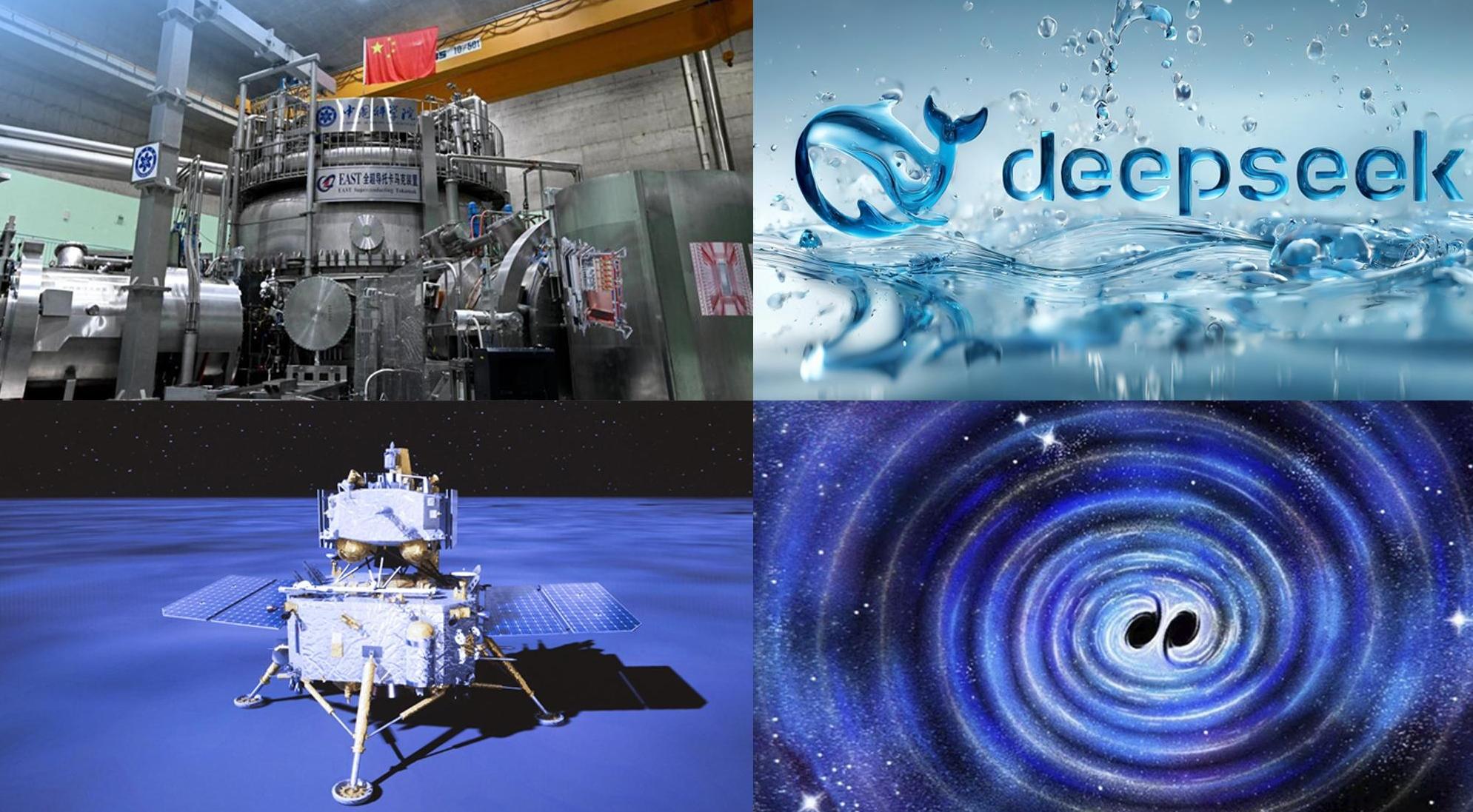
?The achievements and discoveries in science and technology have not only profoundly reshaped how we live but also given us the confidence to confront challenges and embrace the future. Science and Technology Daily, in collaboration with a panel of media partners and academicians, has selected the 2025 top 10 science and technology news stories from China and around the world.

From January 1, 2026, the production of mercury thermometers and sphygmomanometers will be completely banned in China.
?In recent years, display technology has been upgrading from "rigid" to "flexible." Flexible displays, resilient and stretchable, are today increasingly applied in consumer electronics, commercial spaces, intelligent interaction and other fields.
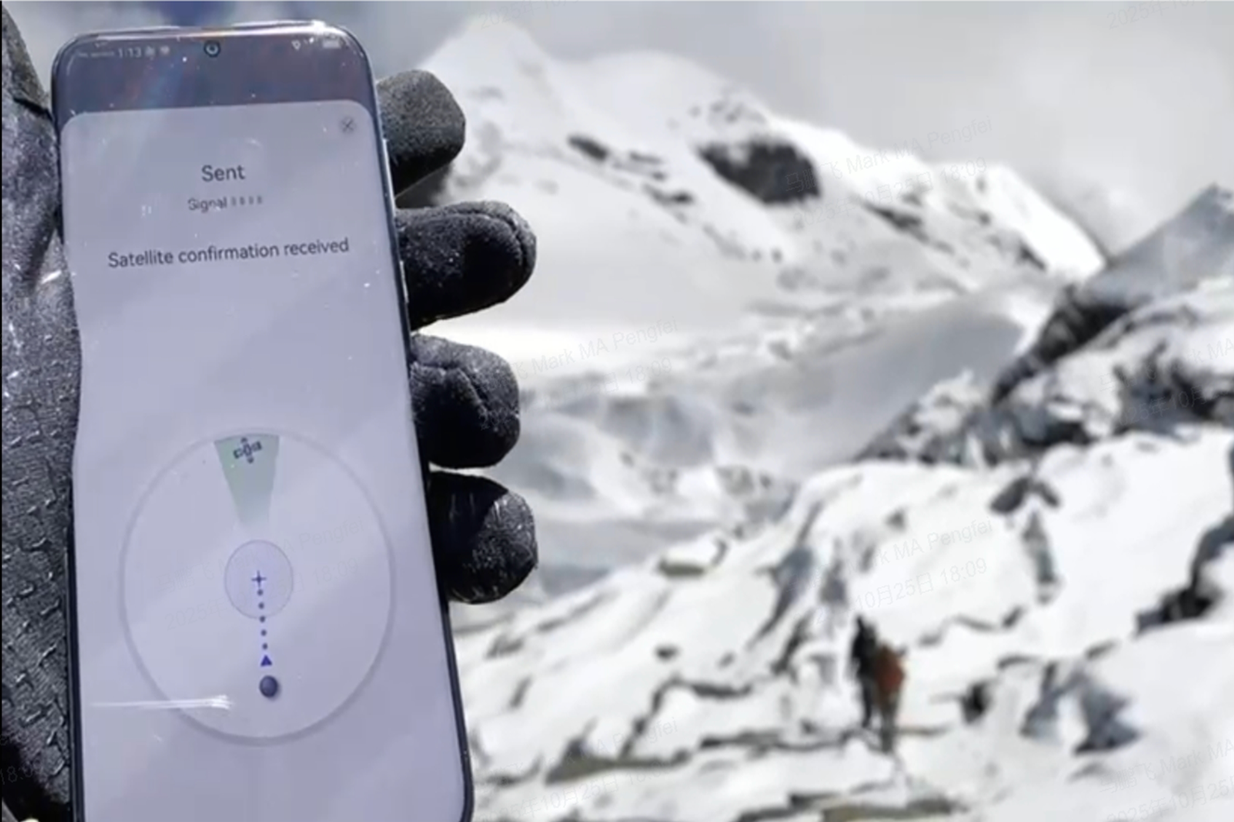
Leveraging the BeiDou Navigation Satellite System and pioneering satellite-terrestrial convergence technology, China Mobile Hong Kong Co. Ltd. recently integrated the BeiDou Satellite Message Service into the HKSOS Emergency Rescue App, enhancing the emergency rescue capabilities of the Hong Kong Special Administrative Region (HKSAR).
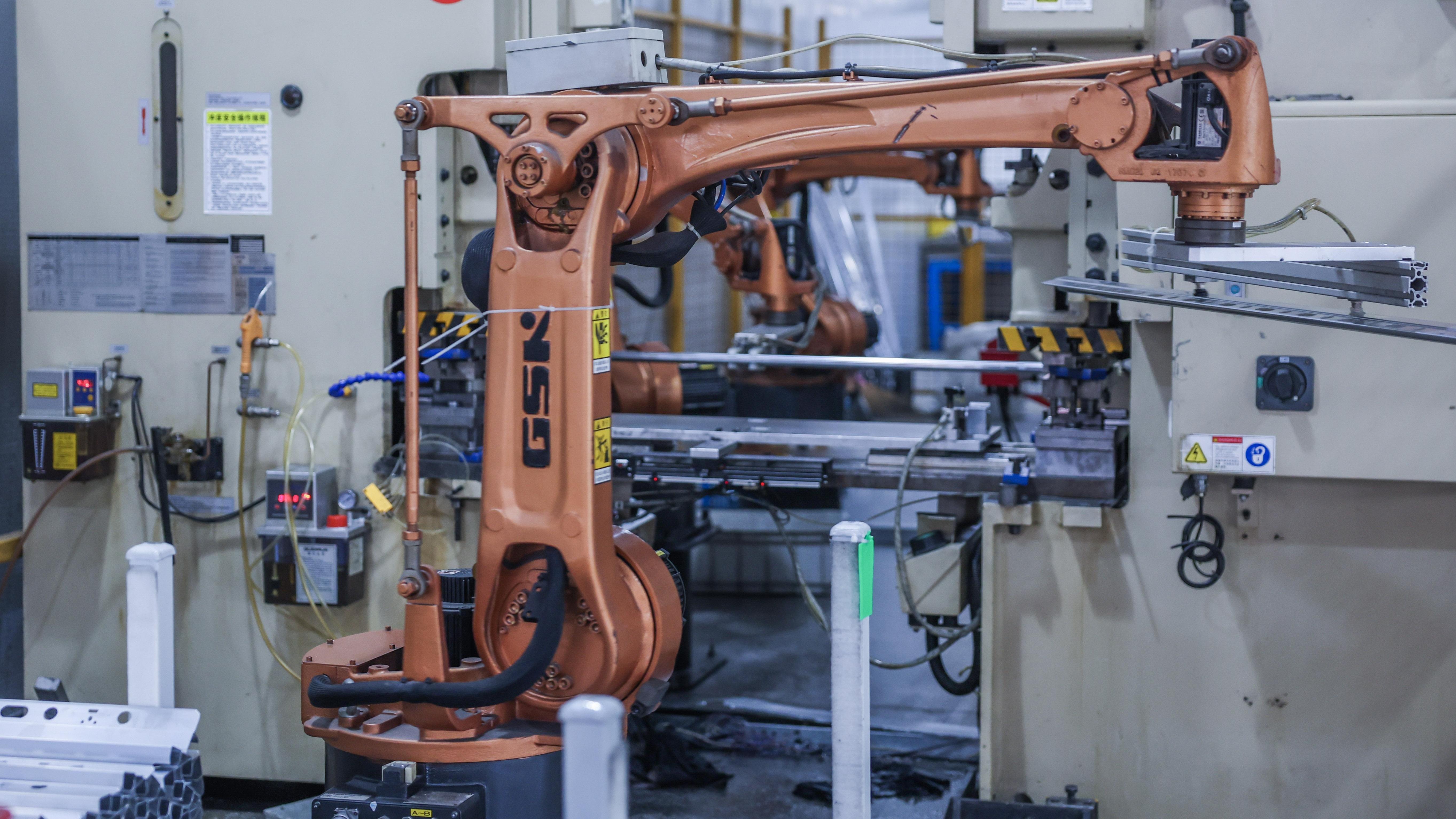
The 2025 Enterprise Science and Technology Innovation Development Forum, jointly held by Science and Technology Daily (S&T Daily) and the Federation of Guangdong Academicians (FGA), in Shenzhen, Guangdong province in south China, discussed how to tackle barriers in integrating sci-tech innovation and industrial innovation.

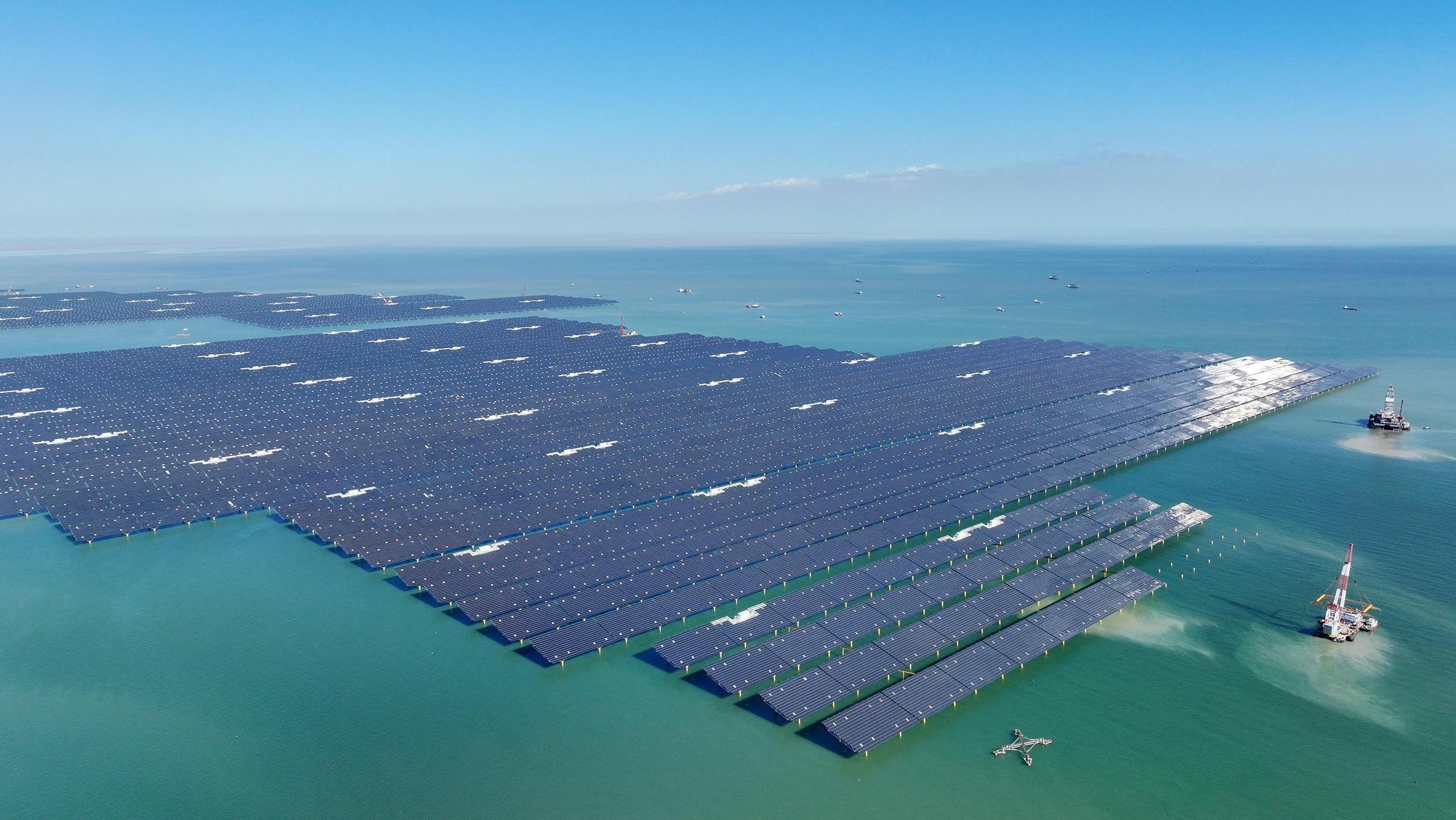
Farthest Offshore Wind Farm Gets Full Grid Connection China's most offshore wind project — the Three Gorges Jiangsu Dafeng 800 MW offshore wind farm — achieved full grid connection on December 15. The project comprises four sites with the farthest point extending 85.5 kilometers offshore. It is expected to generate over 2.8 billion kW of electricity annually, which equates to saving approximately 860,000 tonnes of standard coal and reducing carbon dioxide emissions by about 2.37 million tonnes.

?Every winter, these unwelcome symptoms — fever, aches and runny noses — make their appearance.The influenza virus, which floats in the air, is the culprit behind all this. It hitches a ride on airborne droplets, entering the human body and launching a carefully orchestrated "invasion" of human cells.
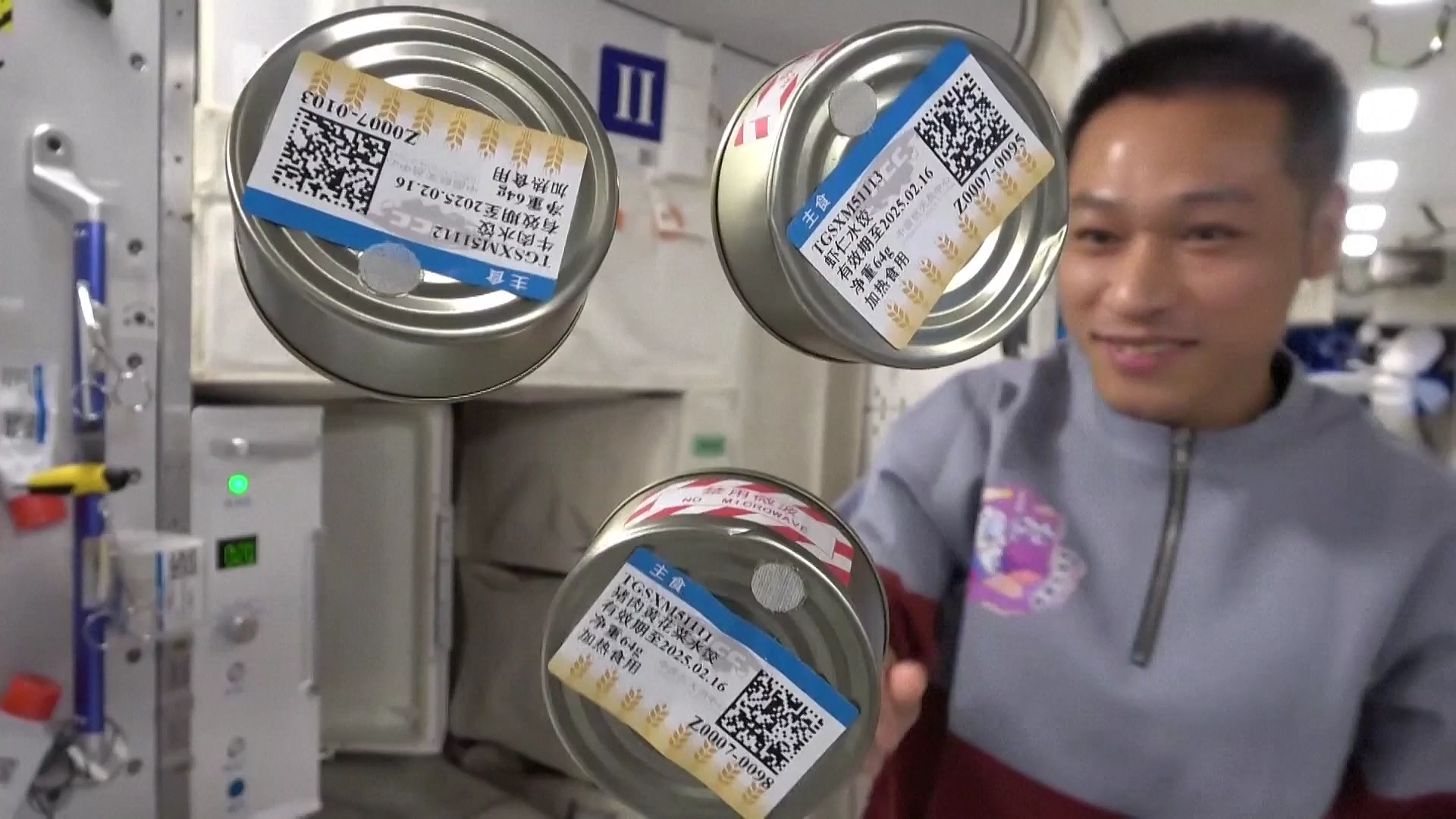
In 2025, an unexpected delay to the Shenzhou-20 mission gave the public their first close-up of China's space station's logistical support capabilities. As the taikonauts' scheduled return time was extended, concerns arose. Was there enough food? Was there enough water? Could their basic needs be met?
?Chinese President Xi Jinping sent a congratulatory message to the 7th China-Russia Energy Business Forum in Beijing on November 25, sparking enthusiastic responses from various sectors in both countries.

Liang Wenfeng, founder and CEO of the Chinese AI firm DeepSeek, and "deep diver" Chinese geoscientist Du Mengran are on the annual "Nature's 10" list, which highlights 10 people at the heart of some of the biggest science stories of 2025.
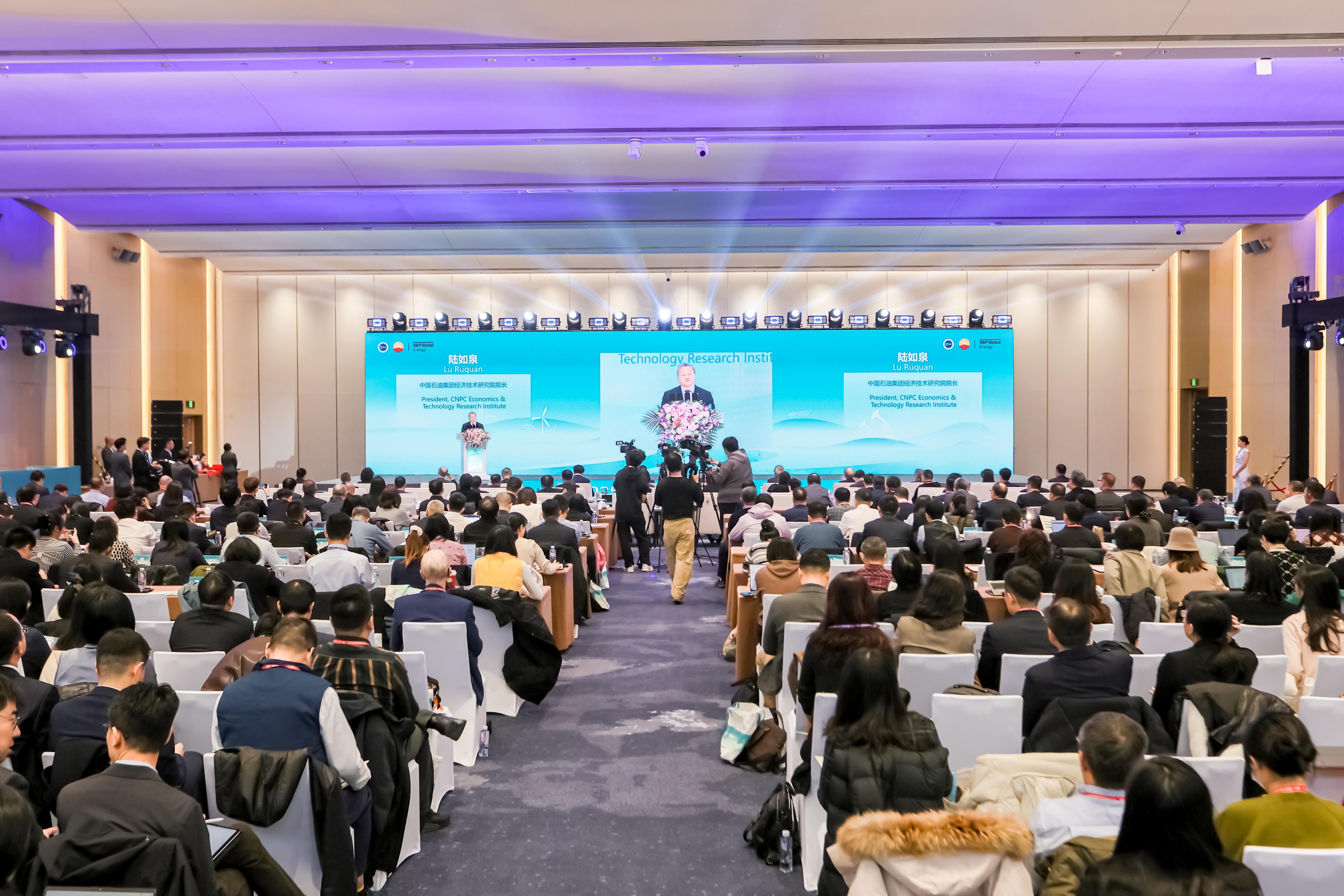
As the global energy landscape reshapes amid geopolitical and climate shocks, the 2025 International Energy Executive Forum held in Beijing on December 11 and 12, discussed joining forces to shape a fair, secure, and intelligent new global energy ecosystem.
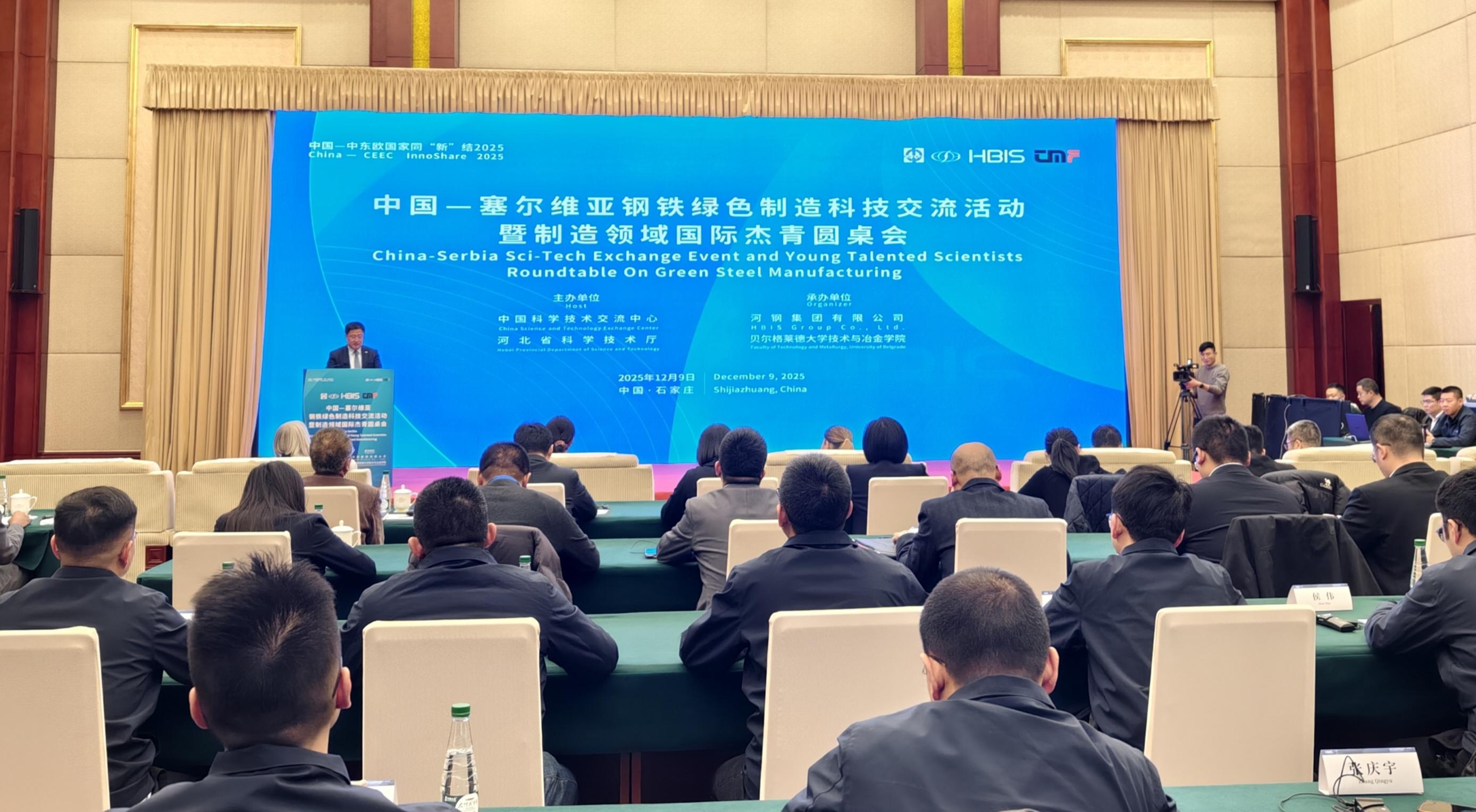
The China-Serbia Sci-tech Exchange Event and Young Talented Scientists Roundtable on Green Steel Manufacturing is held in Shijiazhuang, Hebei province, on December 9.

Chinese President Xi Jinping has sent a congratulatory letter to the Science and Technology Daily on the occasion of the 40th anniversary of its founding.
Many people have noticed that the date on the Gregorian calendar of the Qingming Festival, a time when Chinese honor their ancestors, is not fixed. In 2025, Qingming fell on April 4, while in 2026 it falls on April 5. So, why does the date of Qingming vary from year to year, when the precise moment of its onset is calculated down to the minute? Science and Technology Daily spoke to Yan Weiguo, president of the Tianjin Astronomical Society, to find out the reason.