

友情鏈接
- Copyright ? Science and Technology Daily, All Rights Reserved
- 科技日報社 中國科技網 版權所有
- 京ICP備06005116號
- 違法和不良信息舉報電話:010-58884152
- 京公網安備 110402500060

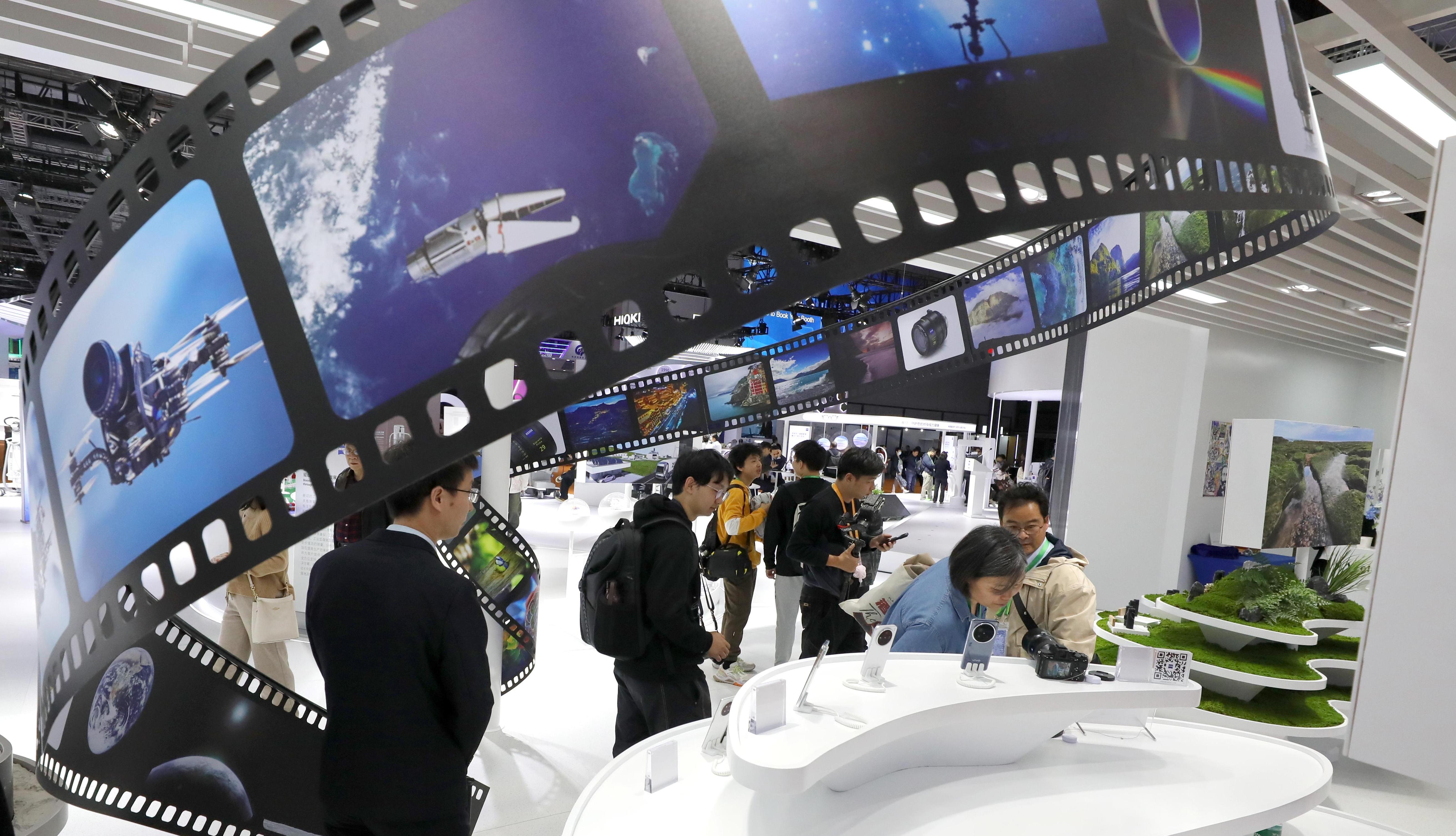
Since 2025, trade and investment between China and Europe has remained on a steady upward trajectory, with the current investment boom from European companies in China showing no signs of slowing down.

With the world entering a new era of technological and industrial transformation, future industries are key to long-term advantage — and China is moving fast to build them.
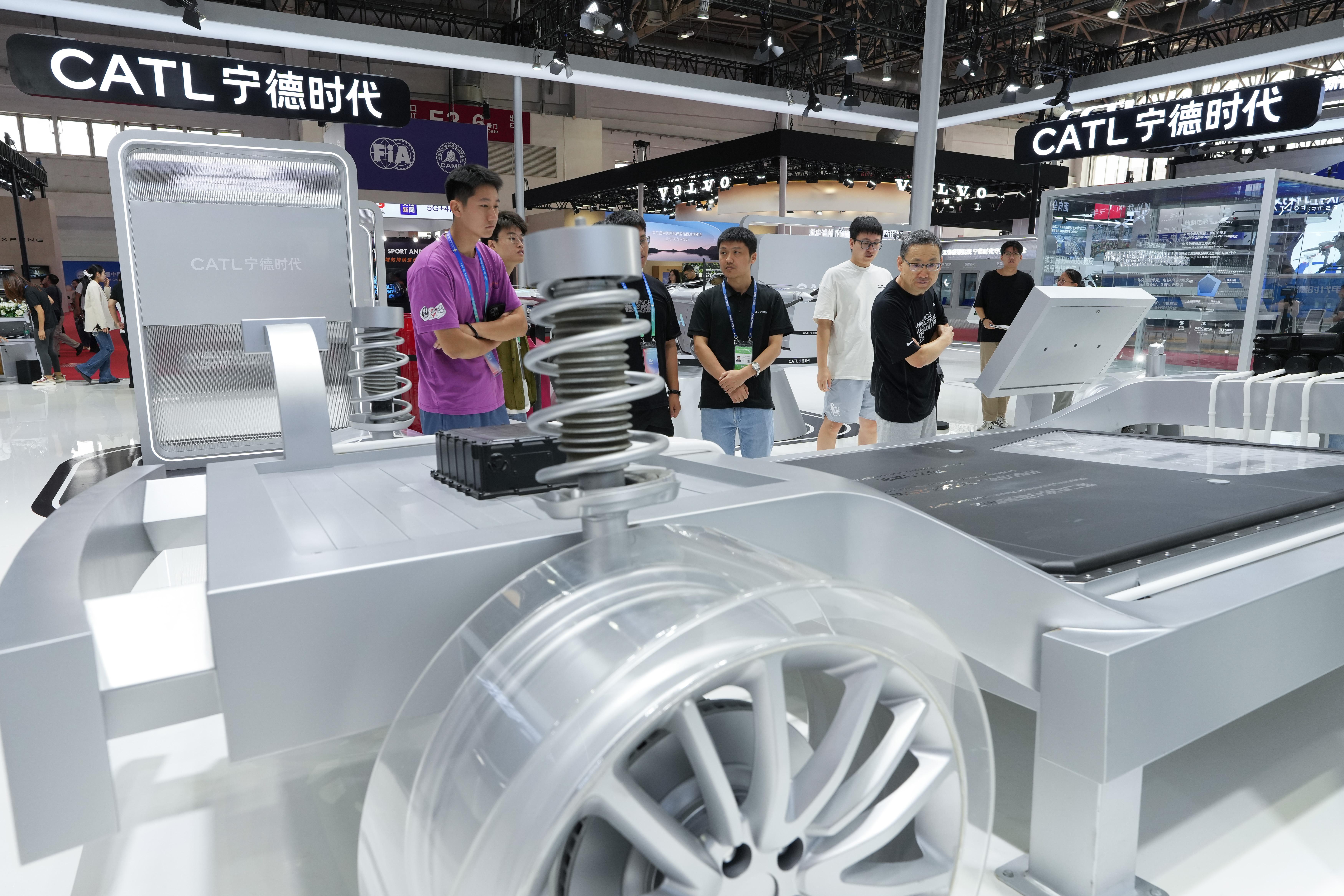
Recently, John Moolenaar, chairman of the U.S. House select committee on China, sent a letter to Ford Motor Company CEO Jim Farley, questioning Ford's cooperation with Chinese battery manufacturers such as Contemporary Amperex Technology Co., Ltd. (CATL).
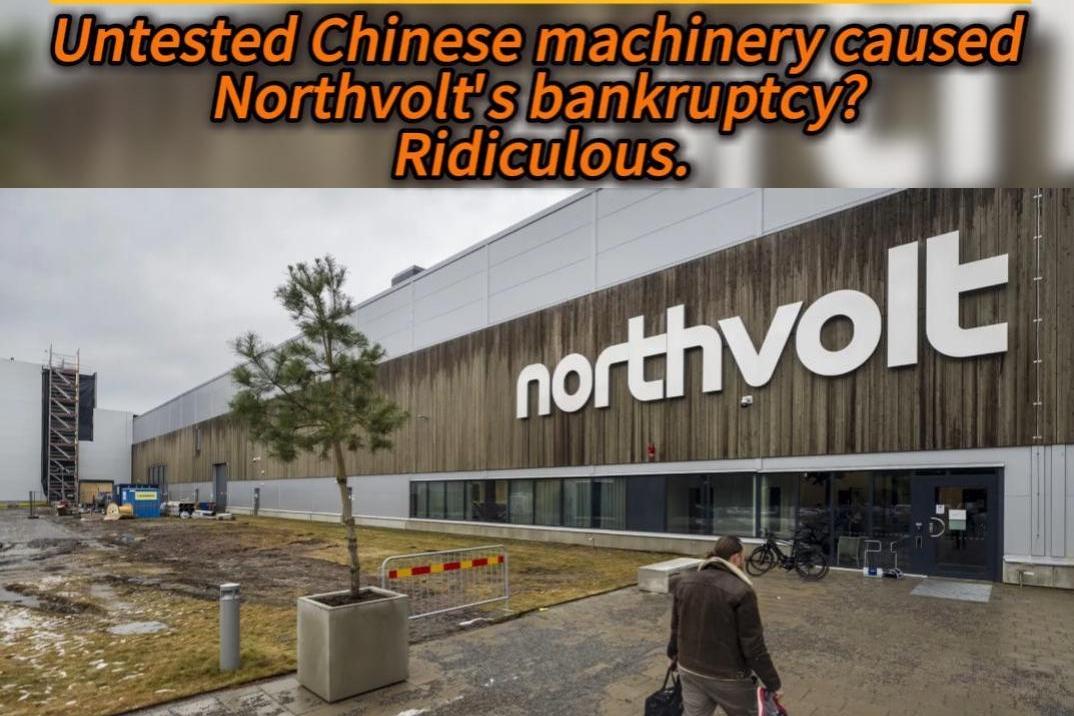
International institutions have recently published a series of reports to review global technological development in 2025. China's achievements in this field have been particularly notable, with many sci-tech research results recognized as major scientific breakthroughs.

Amid the omnipresent tide of the digital age, January 28 marked another Data Privacy Day. Data protection has gone far beyond static notions of "privacy protection," shifting instead toward a more dynamic focus: how to ensure the free and orderly flow of data within stringent security safeguards. Consequently, data is no longer just a technical concern; it has instead become a strategic choice shaping future development.

On January 22, the United States announced it had completed its withdrawal from the World Health Organization (WHO). The process began on January 20, 2025, when the U.S. president signed an executive order to exit the organization. Two days later, WHO received formal notice from the U.S. According to WHO regulations, a member state can finalize its withdrawal only one year after submitting such a request.
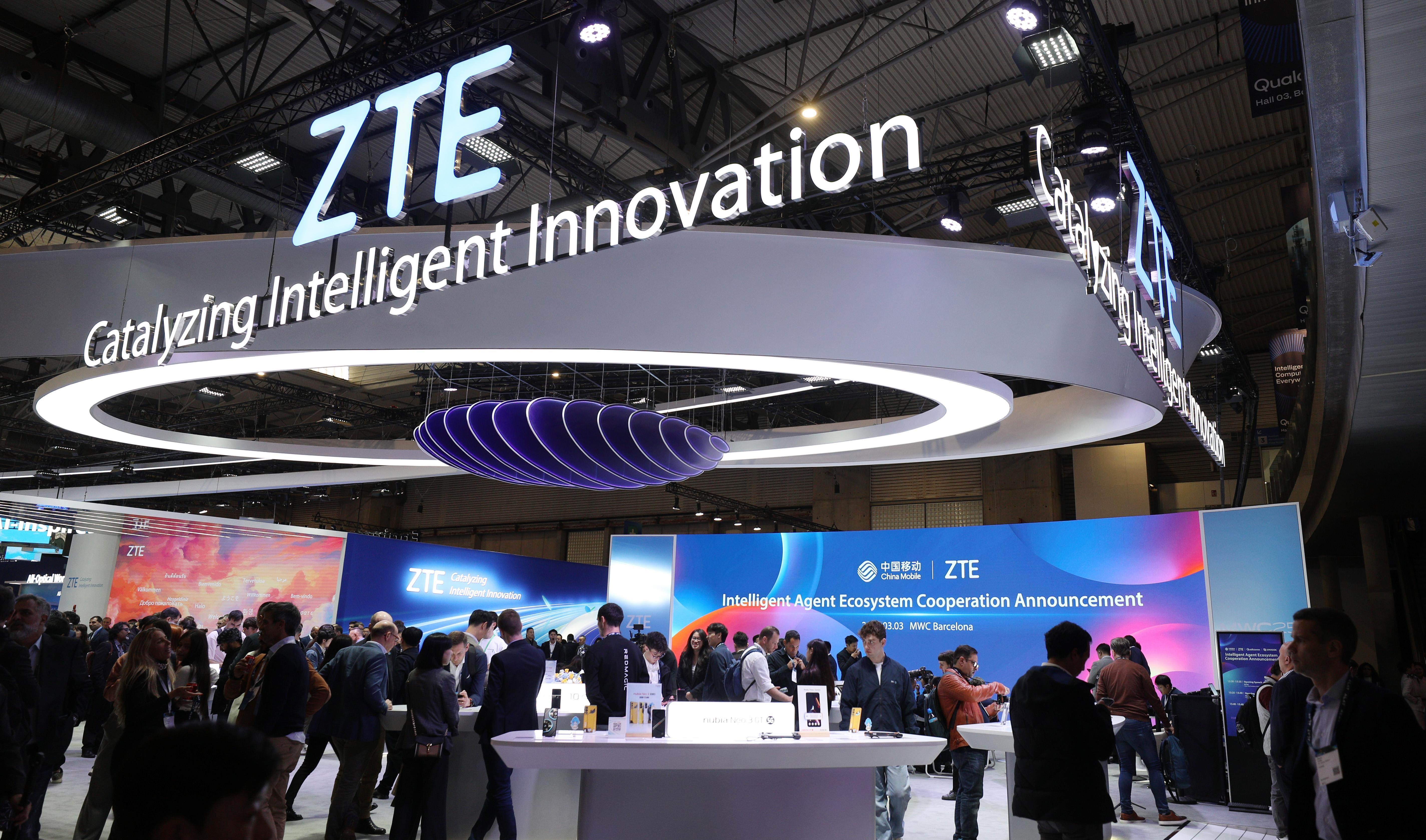
?Brussels will propose phasing out Chinese-made equipment from critical infrastructure in the European Union (EU), which will bar companies such as Huawei and ZTE from telecommunications networks, solar energy systems and security scanners, according to recent reports by the Financial Times and other foreign media, quoting officials.

China's low-altitude economy is flying through a period of rapid expansion. This is being driven by supportive policies and rapid technological iteration, and it has become a key area for developing new quality productive forces and building a trillion-RMB emerging industry.
?In 2025, China's foreign trade value reached 45.47 trillion RMB (6.48 trillion USD), up by 3.8 percent, according to data released by the General Administration of Customs of China on January 14. Since 2017, China's foreign trade has recorded nine consecutive years of growth.
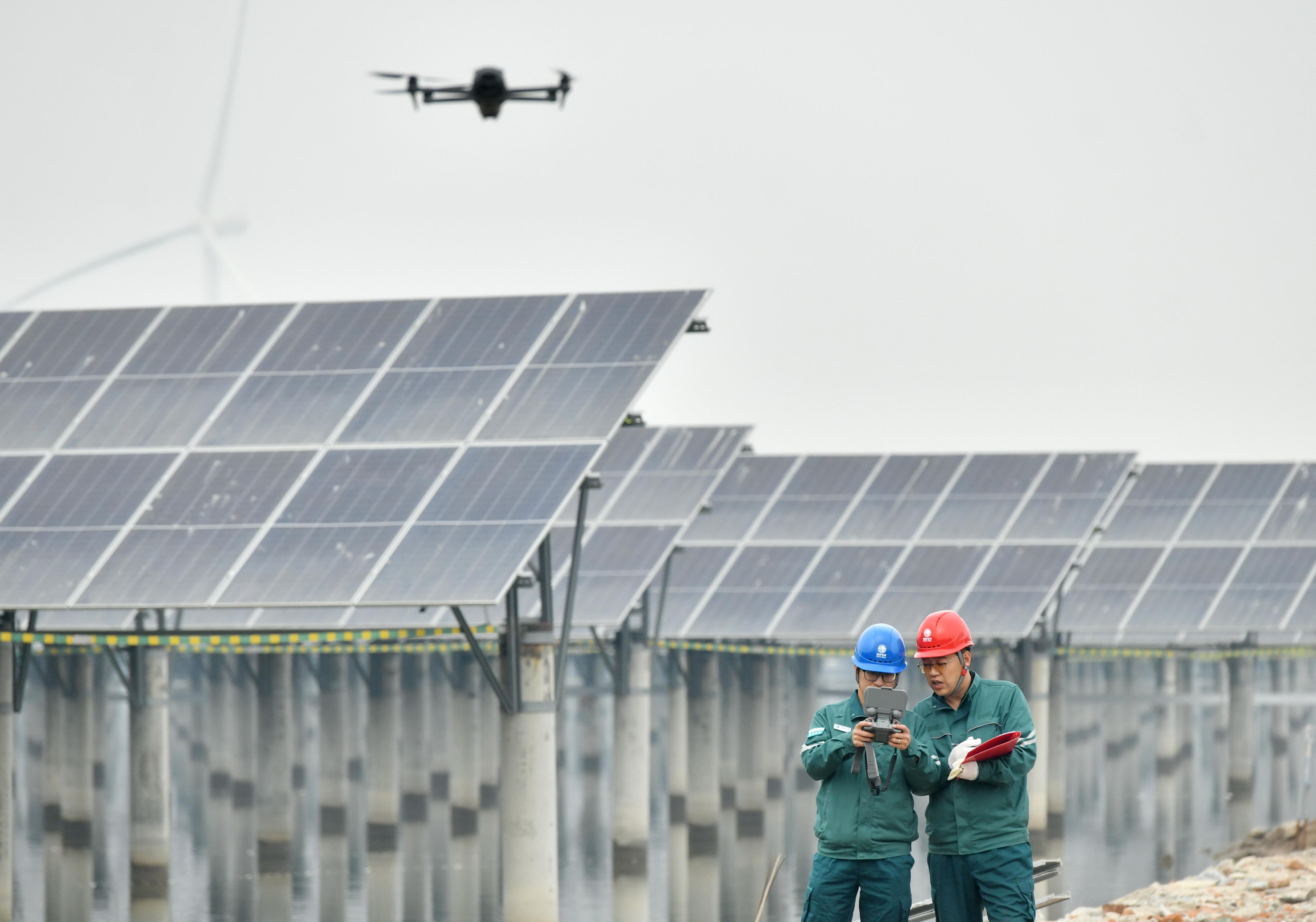
On January 1, the European Union (EU) began formally levying substantive charges under its Carbon Border Adjustment Mechanism (CBAM). According to China's Ministry of Commerce, the EU's move constitutes unfair and discriminatory treatment against China, is suspected of violating World Trade Organization regulations and the spirit of international climate agreements, and has also triggered China's serious concern and firm opposition.

Recently, U.S. President Donald Trump issued an executive order declaring that the United States will withdraw from 66 international organizations, conventions, and treaties — including the United Nations Framework Convention on Climate Change (UNFCCC). Of these, 31 are UN entities, covering core areas such as climate, energy, nuclear security, and trade rules.
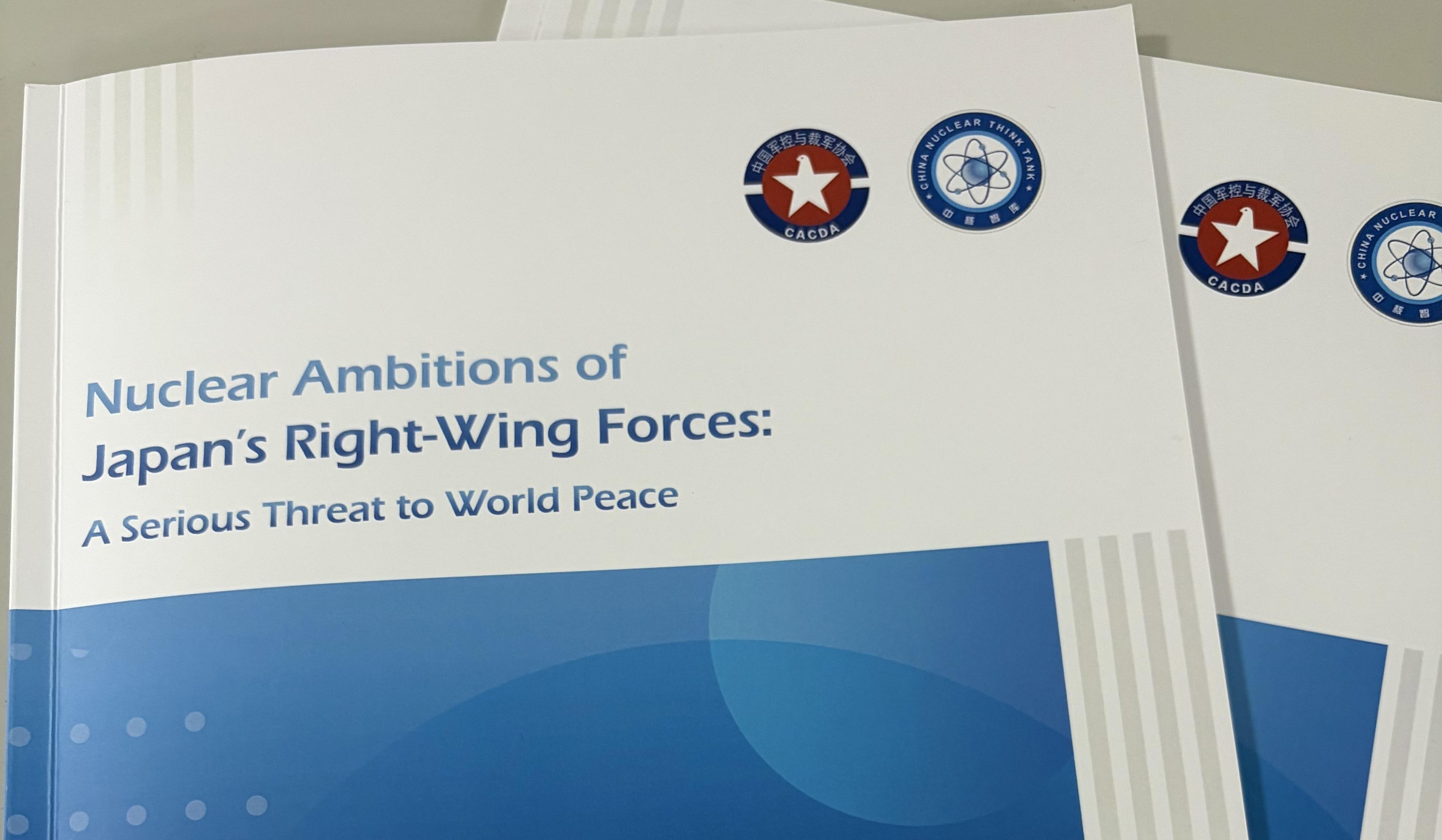
Present Japanese Prime Minister Sanae Takaichi has been making ambiguous statements about these principles, even hinting at the possibility of abandoning them. She has also stated that the option of introducing nuclear-powered submarines should not be ruled out.

During the New Year's Day holiday this year, a popular travel option for foreign tourists was coming to China to ring in the new year. Booking data indicates that from January 1 to 3, over 320,000 inbound flight tickets were booked, growing by approximately 11 percent year on year.
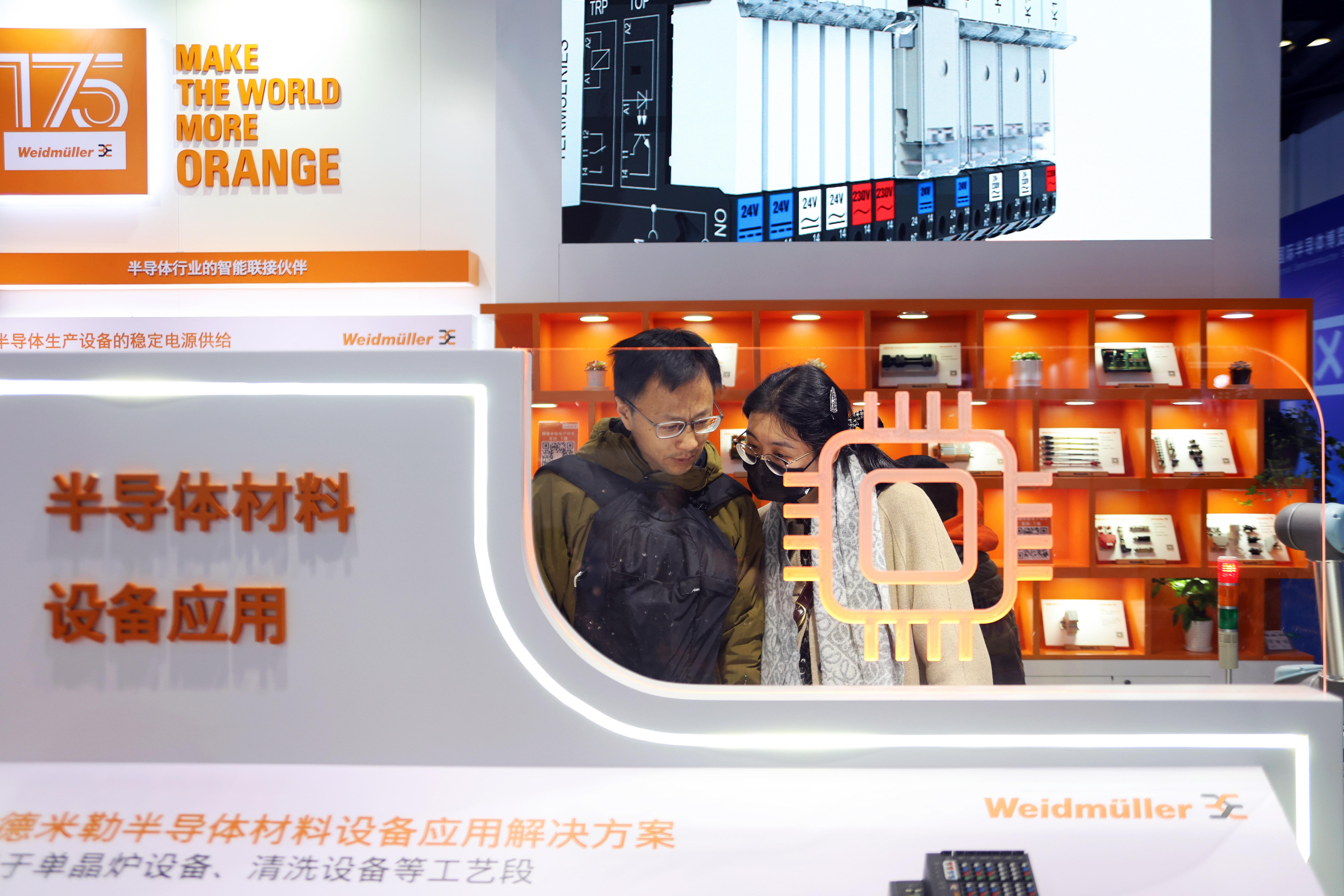

China has become a major driver of global innovation, as it develops fast in the field of science and technology through multi-dimensional innovation and cooperation. Attempting to decouple from China is not only impractical but also counterproductive.

?In 2025, China marched forward with energy and determination in the surging tide of the times. Many foreign media praised China as a trustworthy and compelling nation.
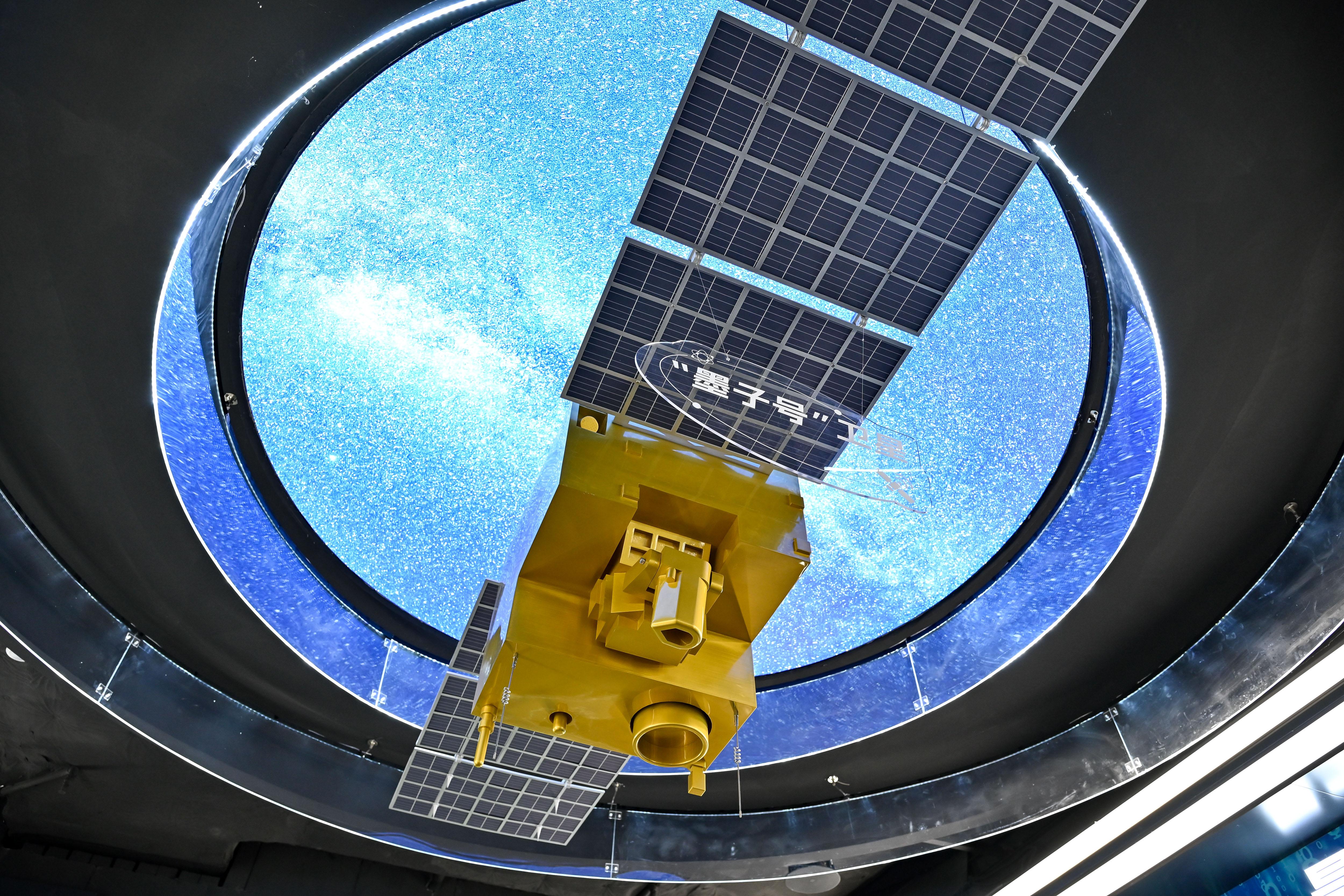

The U.S. Federal Communications Commission (FCC) has issued an order requiring three major Chinese telecom operators — China Mobile, China Telecom, and China Unicom — to resolve what it called "certification issues" in the U.S. Robocall Mitigation Database (RMD) within 14 days.
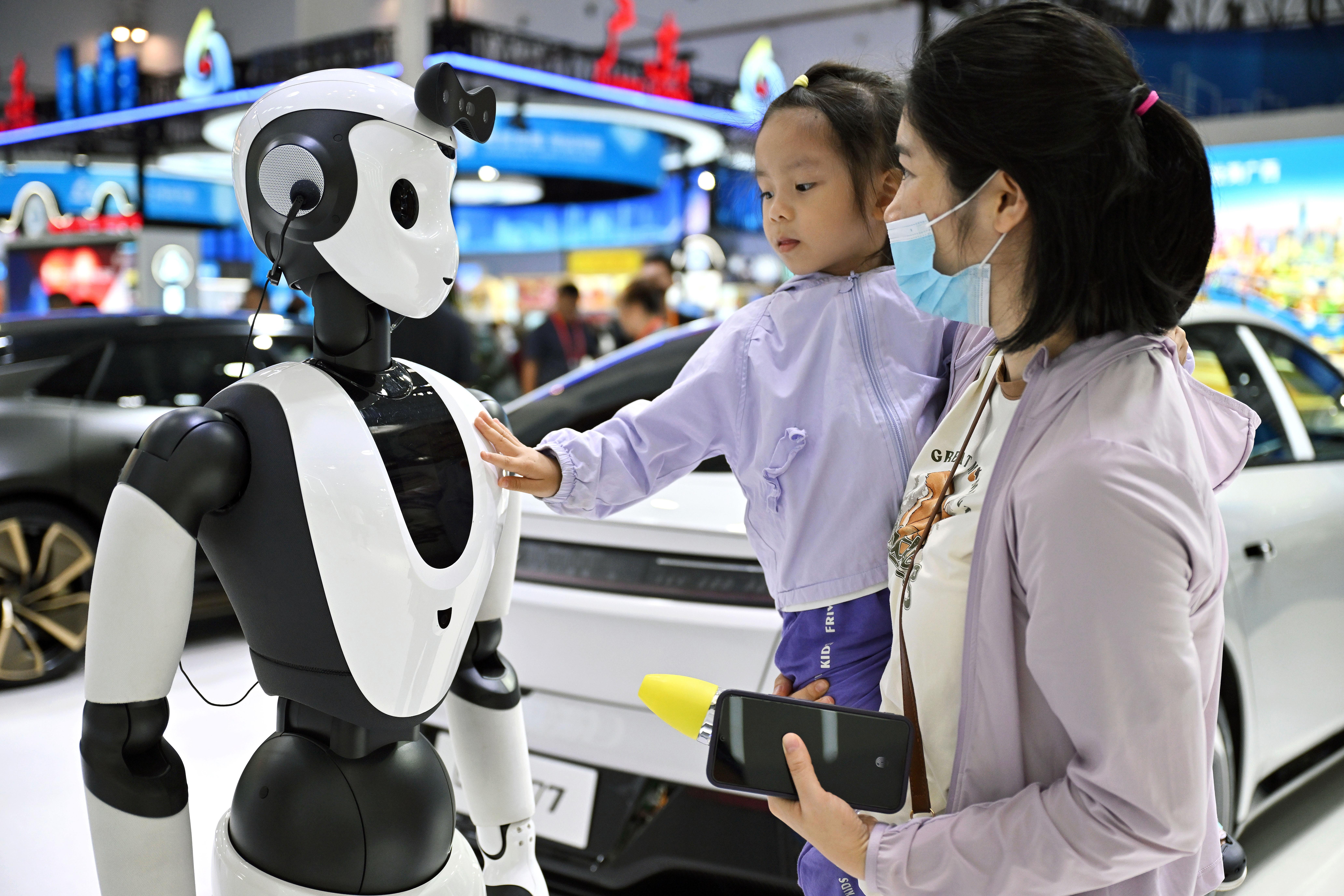
AI has become a powerful catalyst for China's consumer economy. As of the first half of 2025, generative AI products already had numbered 515 million users nationwide. Such a massive user base reflects a profound shift in how Chinese consumers now live, purchase, and engage with digital services.

Chinese President Xi Jinping has sent a congratulatory letter to the Science and Technology Daily on the occasion of the 40th anniversary of its founding.
Many people have noticed that the date on the Gregorian calendar of the Qingming Festival, a time when Chinese honor their ancestors, is not fixed. In 2025, Qingming fell on April 4, while in 2026 it falls on April 5. So, why does the date of Qingming vary from year to year, when the precise moment of its onset is calculated down to the minute? Science and Technology Daily spoke to Yan Weiguo, president of the Tianjin Astronomical Society, to find out the reason.