

友情鏈接
- Copyright ? Science and Technology Daily, All Rights Reserved
- 科技日報社 中國科技網 版權所有
- 京ICP備06005116號
- 違法和不良信息舉報電話:010-58884152
- 京公網安備 110402500060

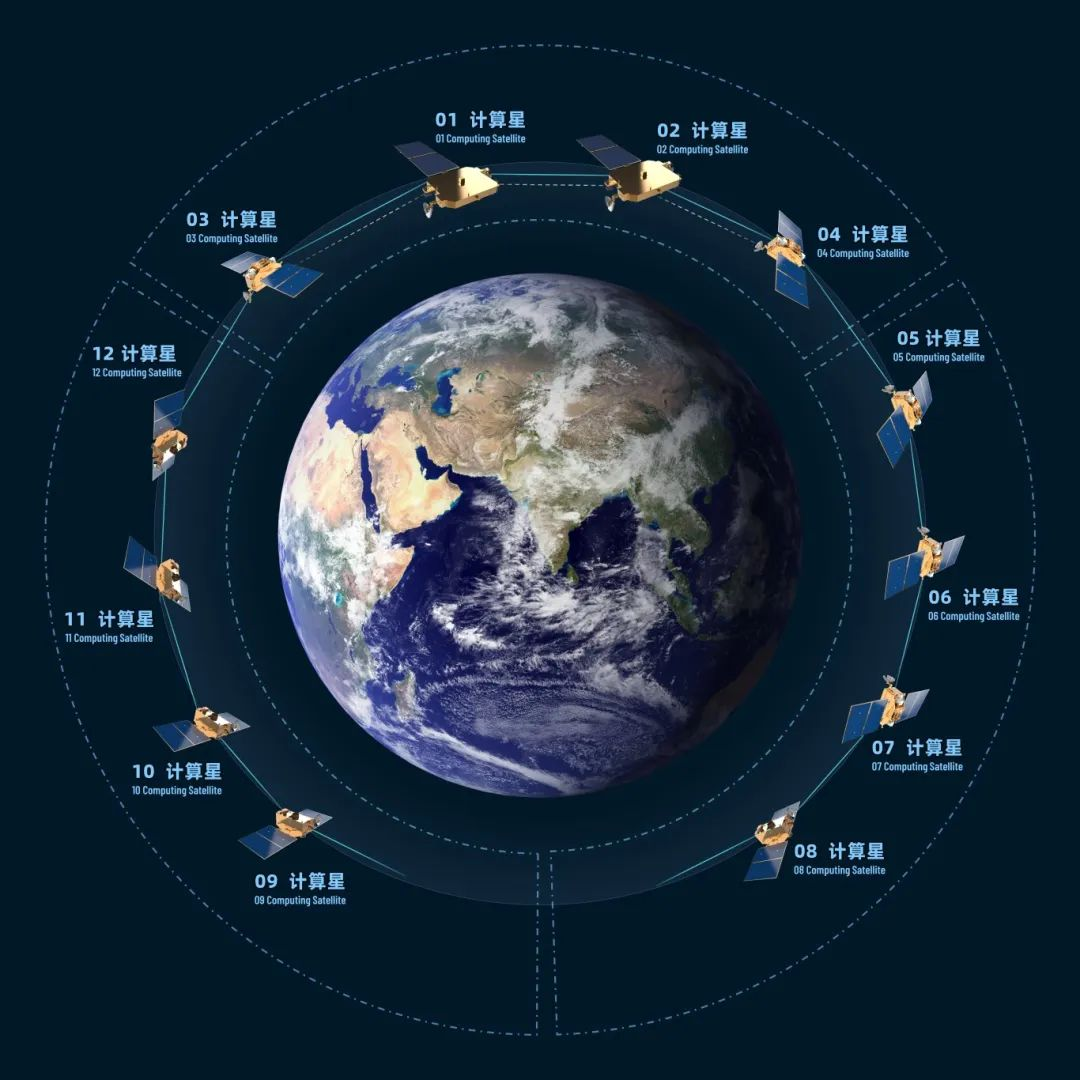
With the explosion of AI, the demand for computing power has grown exponentially. However, ground data centers, being constrained by energy consumption and heat dissipation, are facing increasingly severe development bottlenecks.
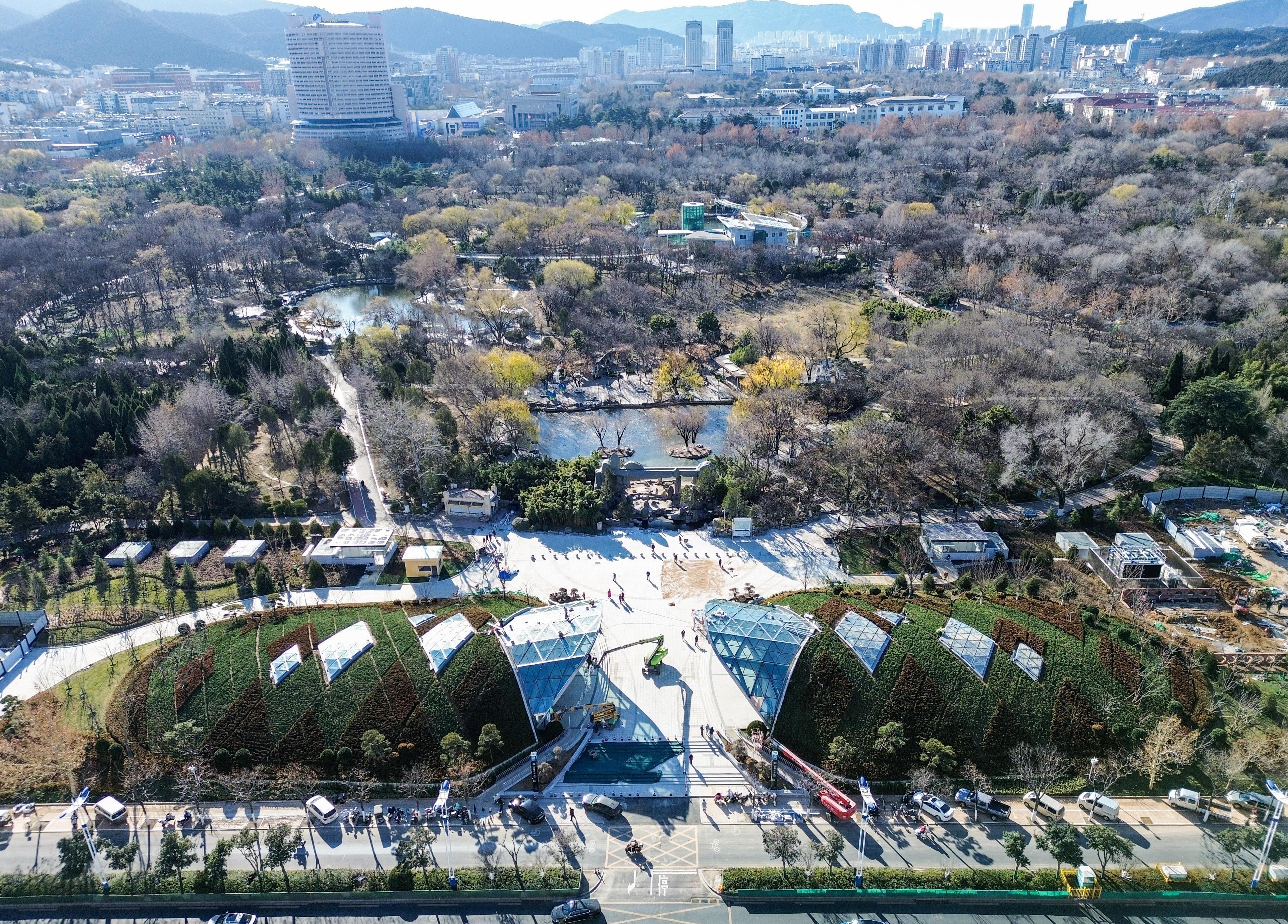
Jinan in eastern China is called the "City of Springs" for its roughly 1,200 natural artesian springs. However, its karst geology also makes it one of the most fragile environments for underground construction. It took more than 30 years to construct subway lines in the city while protecting its springs, from conception to reality.
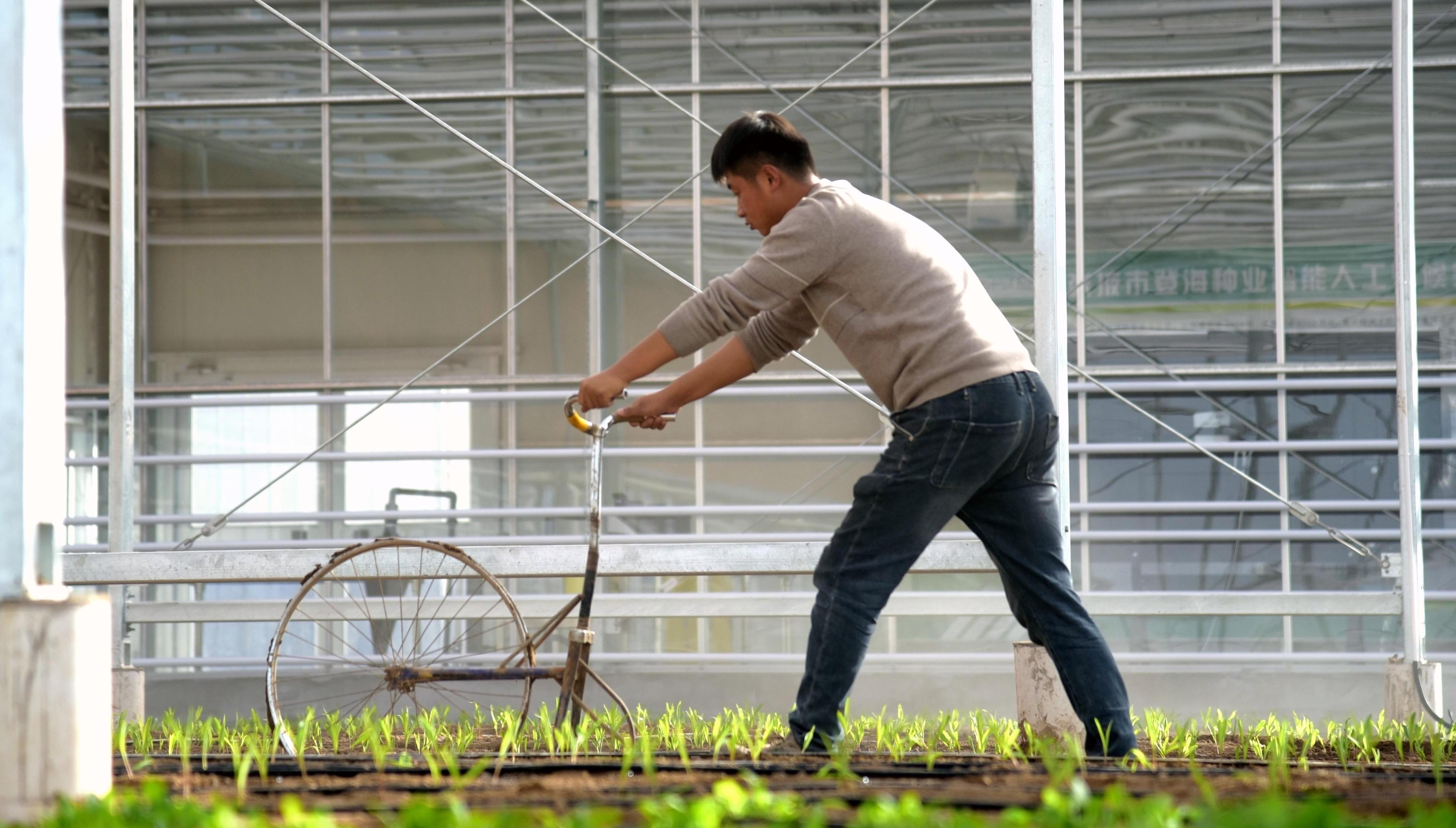
In 2025, China made great strides in transforming agricultural innovation to actual productive forces, with sci-tech innovation in agriculture becoming a crucial support system for rural revitalization.
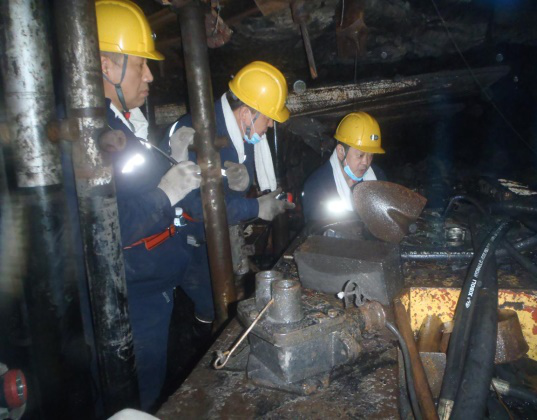
To conquer the challenge of mining coal seams with a thickness of less than 1.3 meters, an R&D team led by Heilongjiang University of Science and Technology (USTH) has developed an intelligent mining system of extremely thin coal seams at a depth of over a kilometer underground.
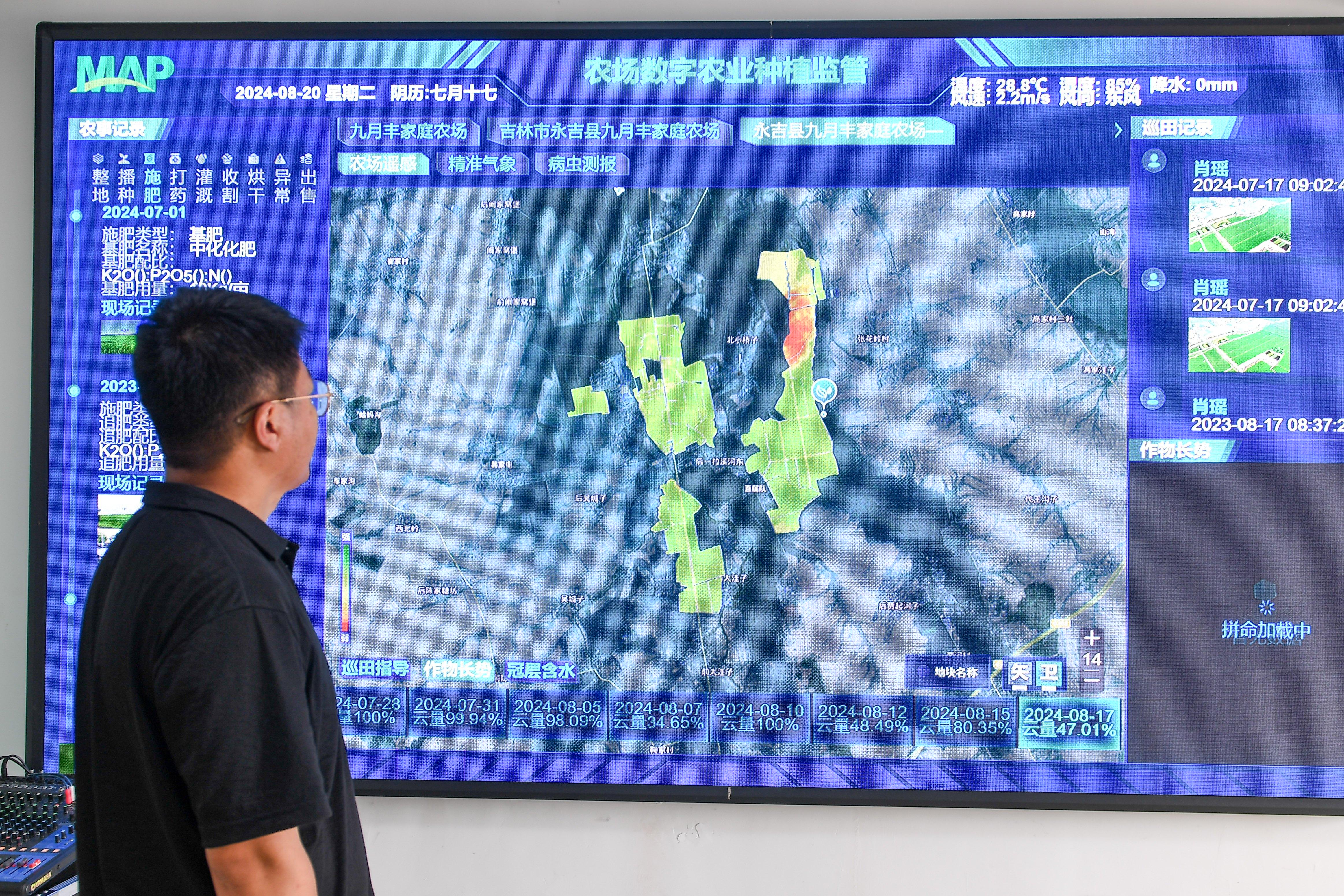
In 2025, China's agricultural sector brimmed with innovative vitality. Breeding innovations continuously broke high-yield records, and smart agriculture accelerated the reconstruction of production models, promoting a deep transformation of agricultural production from "experience-driven" to "technology-driven."
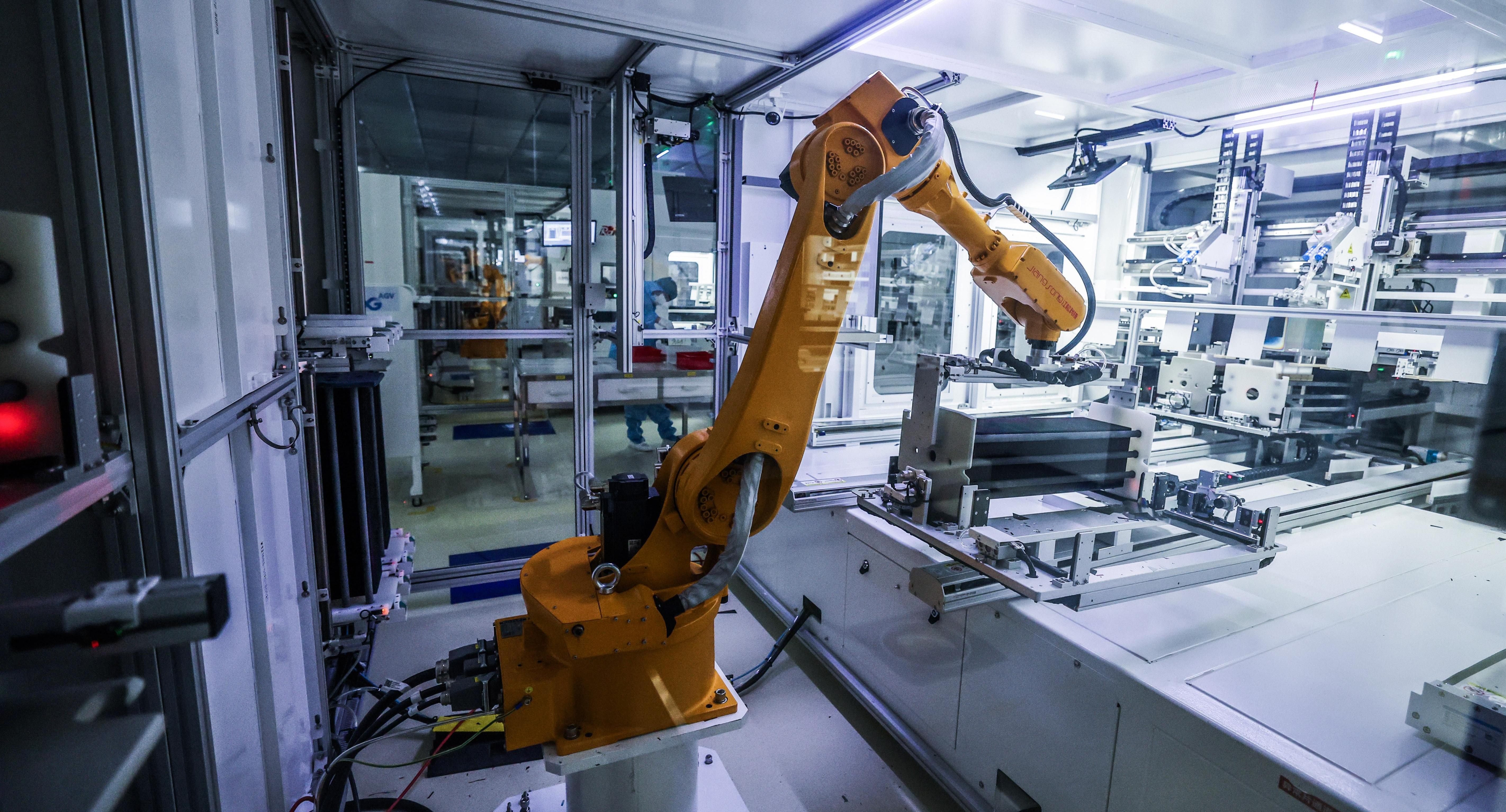
Since the start of China's 14th Five-Year Plan period (2021-2025), the country has deepened its reform of the mechanism of applying sci-tech achievements in real-world practices, improved policy support and market services, and achieved steady growth in both the scale and quality of applied scientific and technological outcomes, according to a State Council report submitted to the Standing Committee of the National People's Congress for deliberation on December 22.

AI glasses, robotic pets, and foldable smartphones — these innovative Chinese tech products have become increasingly popular purchases with foreign tourists in China.

On December 17, Xueying 601, also known as Snow Eagle 601, China's first polar fixed-wing plane, carried out aerial surveys, its first scientific research task during the country's 42nd Antarctic expedition. Xueying 601's air routes, with the Zhongshan Station as the core and covering more than 20 domestic and international expedition stations, have built an air corridor for Antarctica.

From the innovation of humanoid robots to the rise of intelligent connected vehicles, and the establishment of a commercial spaceflight ecosystem, a series of practices are transforming cutting-edge technologies into productive forces all over China.
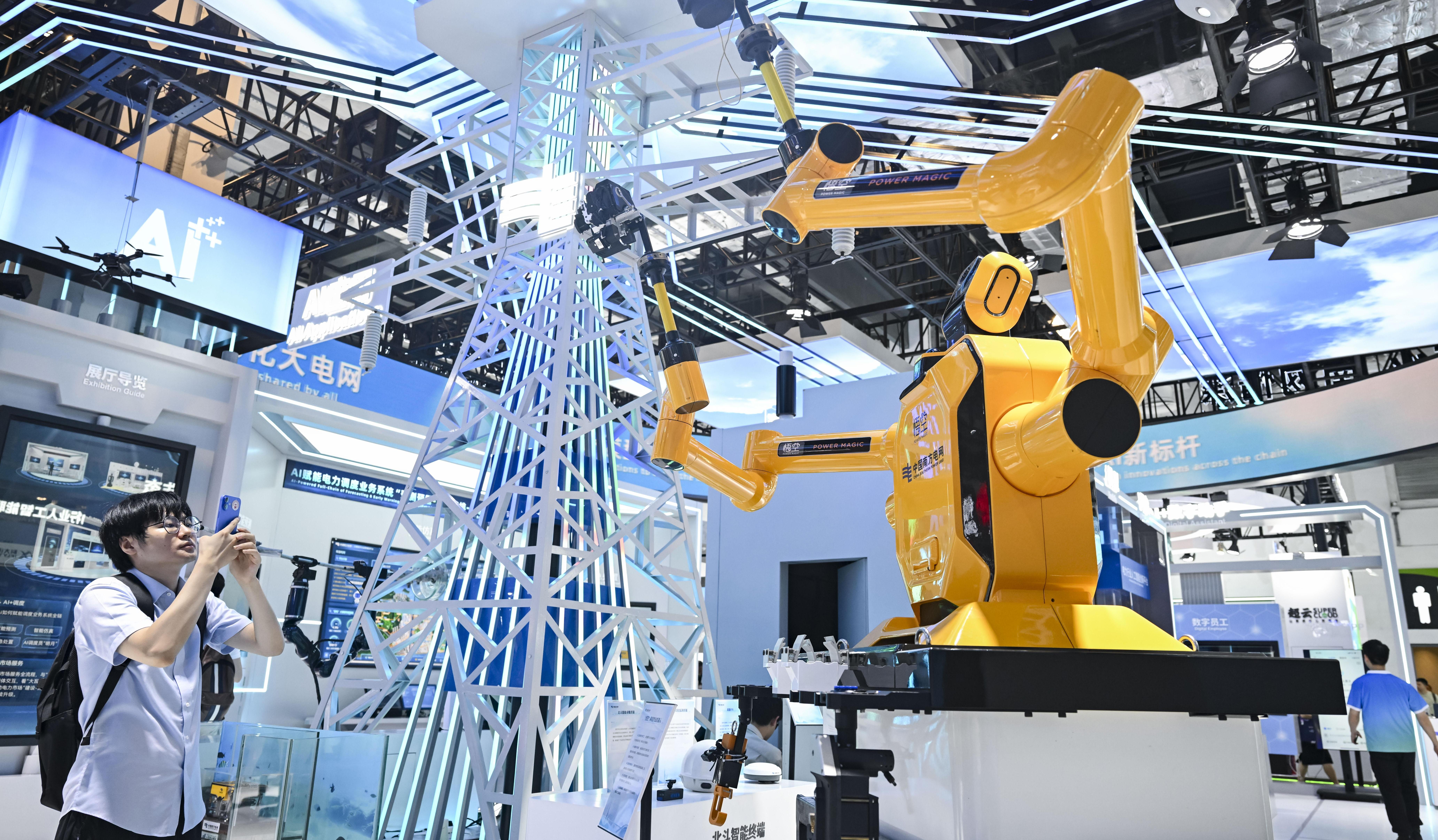
Dubbed as the "core of industrial software," solvers are a key tool for finding solutions to complex mathematical programming problems. They are essential for deriving optimal operation solutions in sectors like energy, finance and logistics, according to Peng Chaoyi, technical lead of Tianquan at the Electric Power Dispatching and Control Center, China Southern Power Grid Co., Ltd. (CSG).
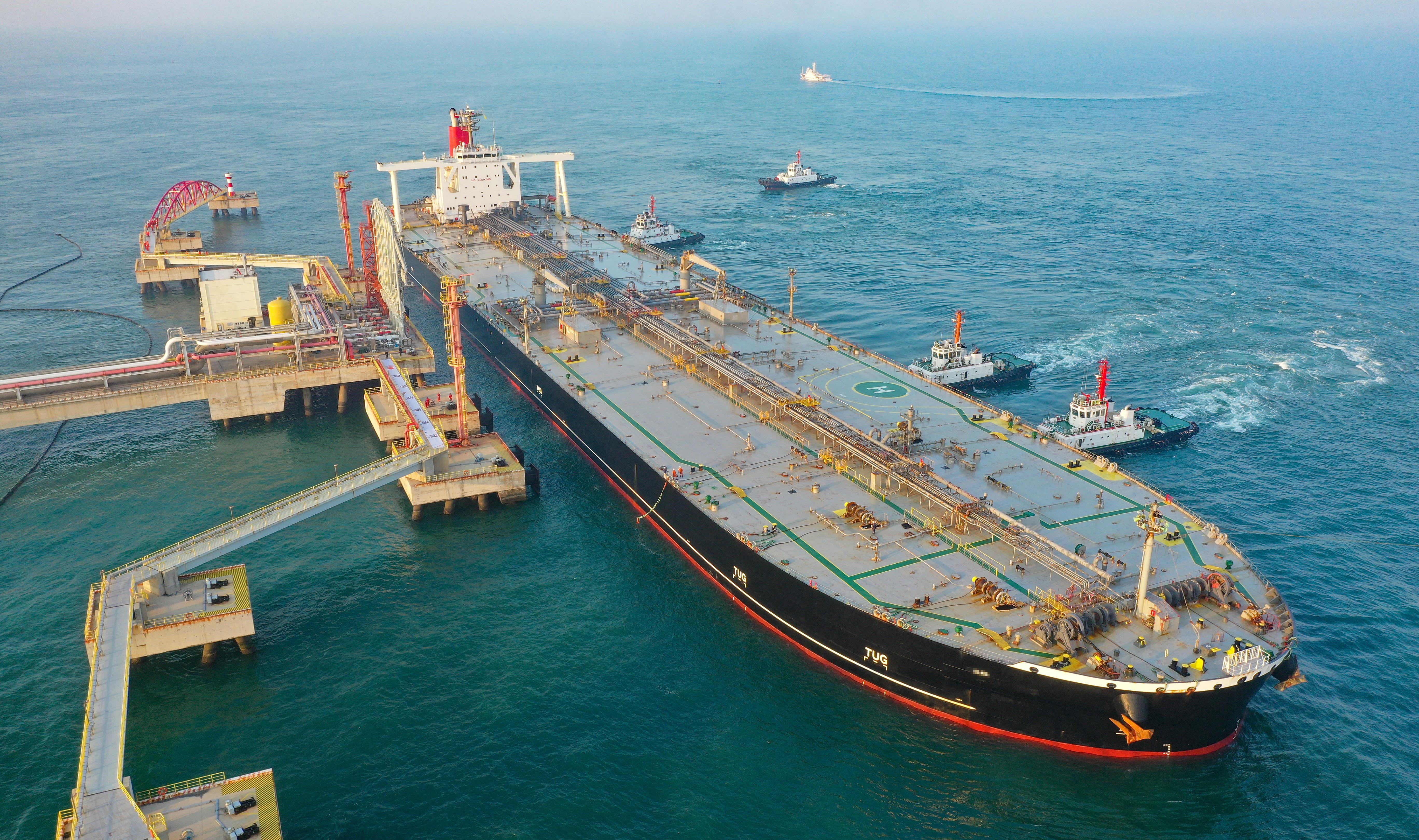
The Hainan Free Trade Port (FTP) in southern China officially launched island-wide special customs operations on December 18, a milestone in China's effort to expand high-level opening up and promote an open world economy.
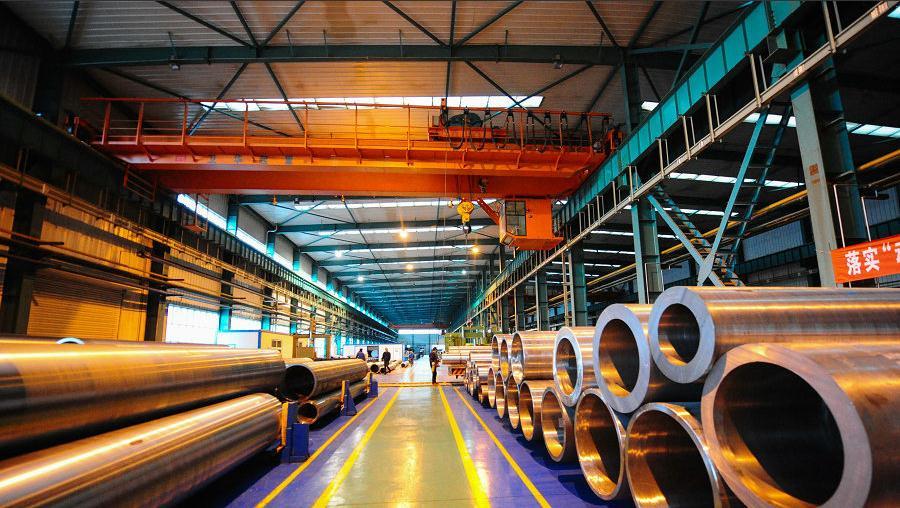
In the past, the manufacturing technology of ultra-high-pressure steel pipes over 10 meters in length was monopolized by foreign countries. However, times have changed after a Chinese company broke this bottleneck, and independently developed the 17-meter-pipe along with the capacity of mass production.
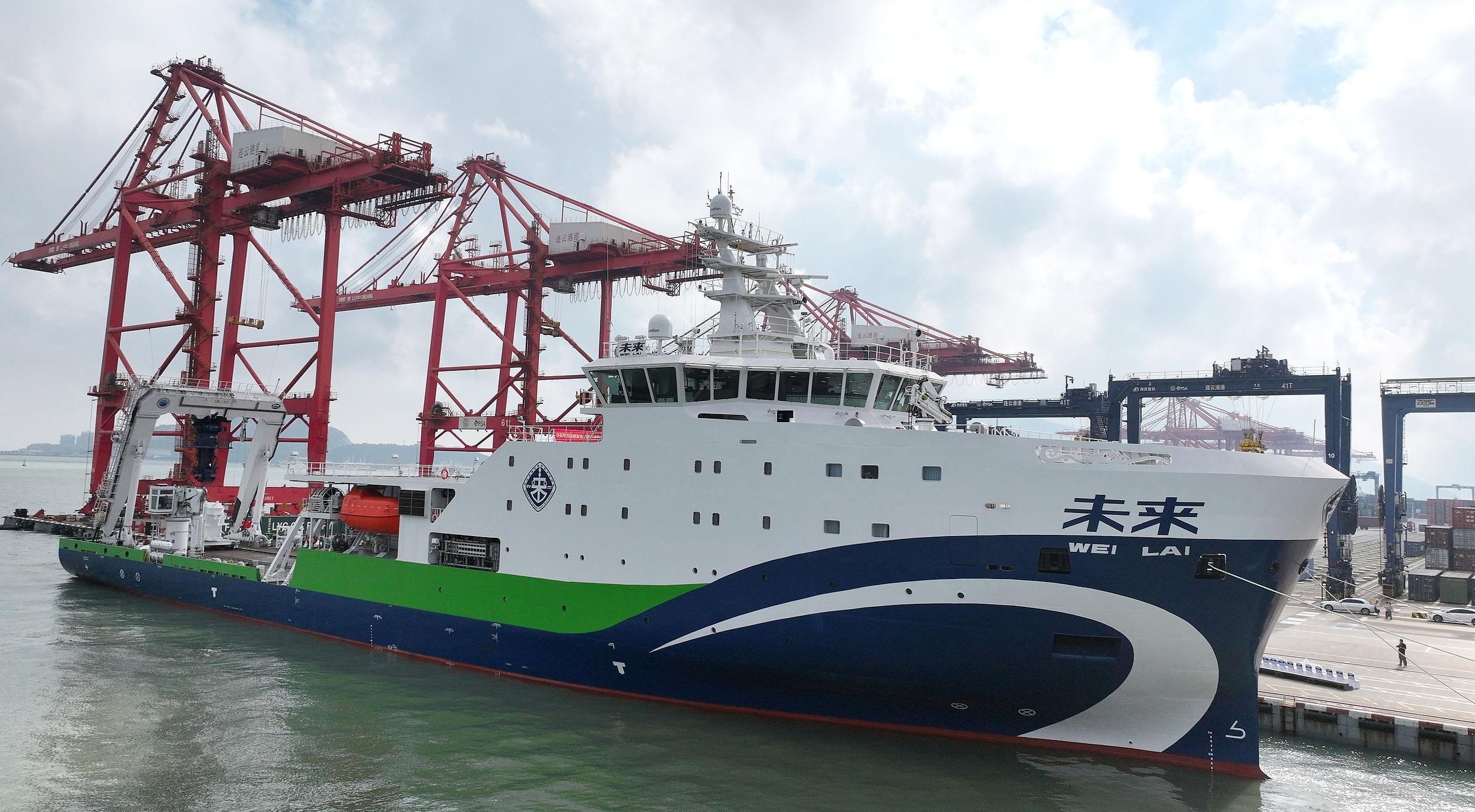
"Future", China's first deep-sea green and intelligent technology experimental vessel, recently completed its first deep and remote sea test since its delivery in July this year.
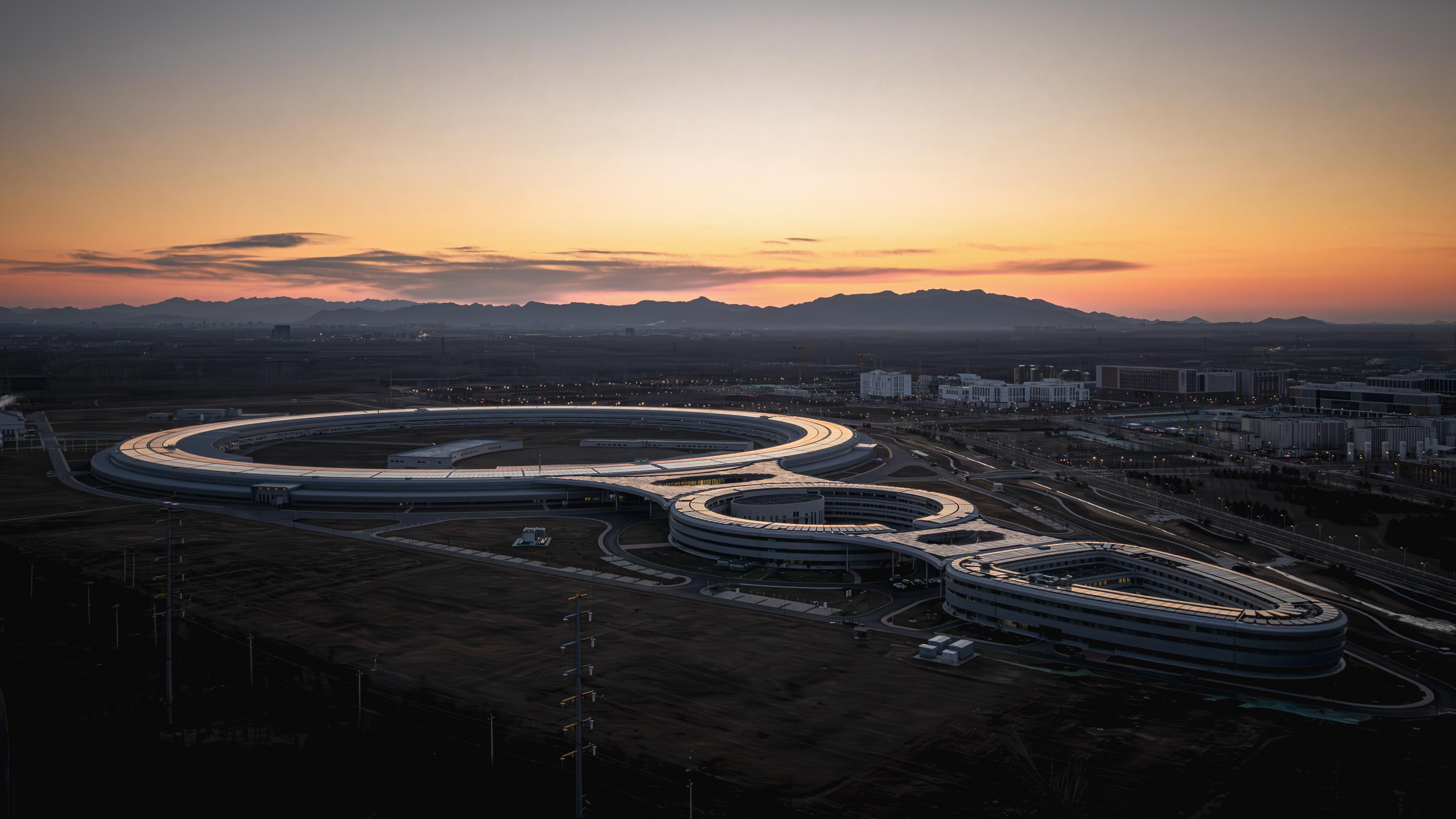
The results of sci-tech innovation during the 14th Five-Year Plan (FYP) period (2021-2025) have laid a solid foundation for building a country strong in science and technology, and the 15th FYP period (2026-2030) is a crucial and critical time for achieving this goal, said Yin Hejun, Minister of Science and Technology.
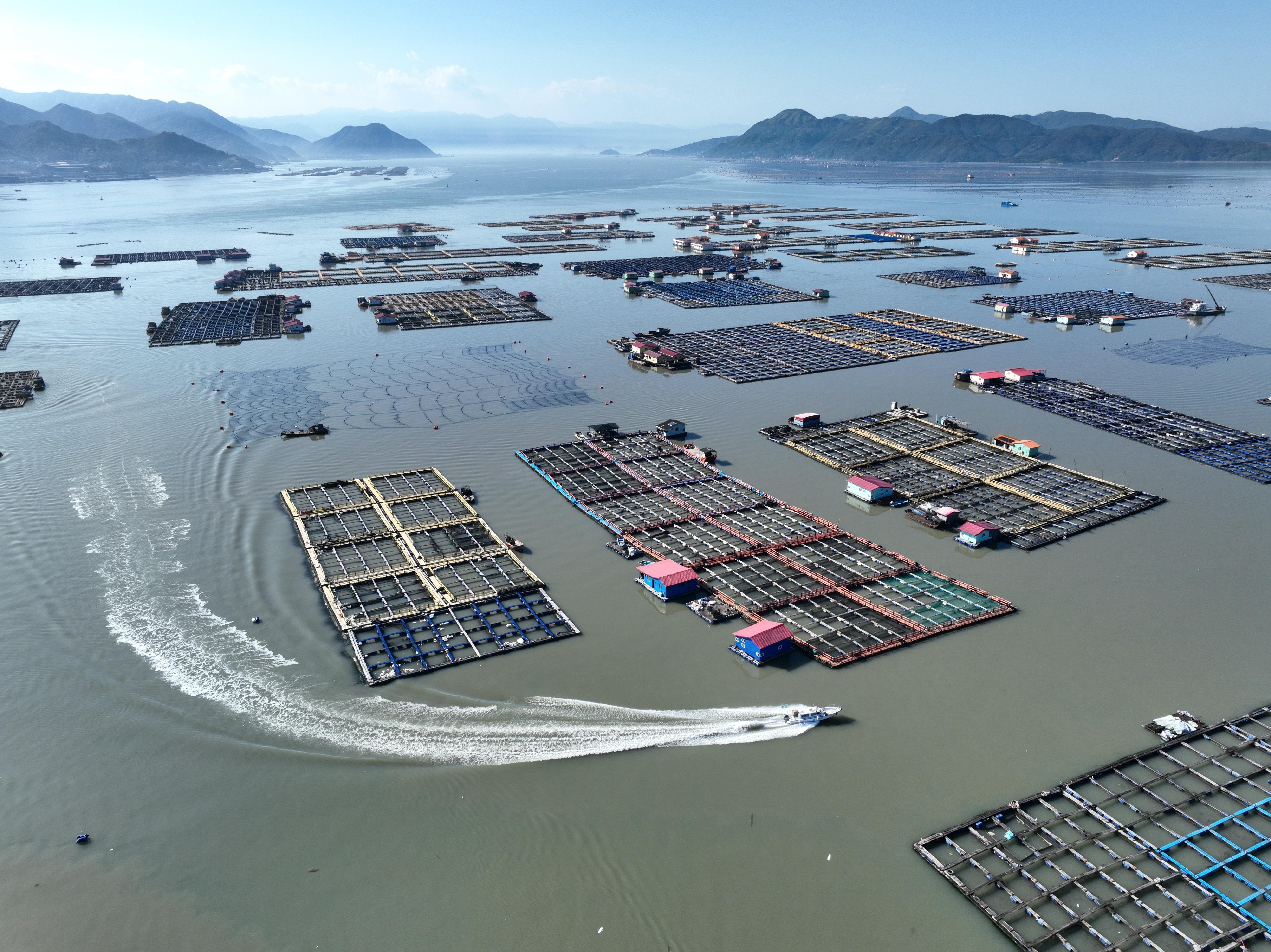
Building China into a strong maritime nation is a high priority in its 14th Five-Year Plan (2021-2025). This is evidenced by a series of advancements over the past five years, with the support and guidance of sci-tech innovation in marine economic development, marine technological innovation and marine ecological protection.
?Marine engineering projects like cross-sea bridges and port dock banks, crucial for exploring and utilizing the sea, face a daily challenge: erosion by sea water. Traditional anti-erosion paint has a strong odor and could pose a threat to the ecosystem. A research team from the College of Aerospace and Civil Engineering, Harbin Engineering University (HEU), figured out a unique solution: Let oysters do the trick.
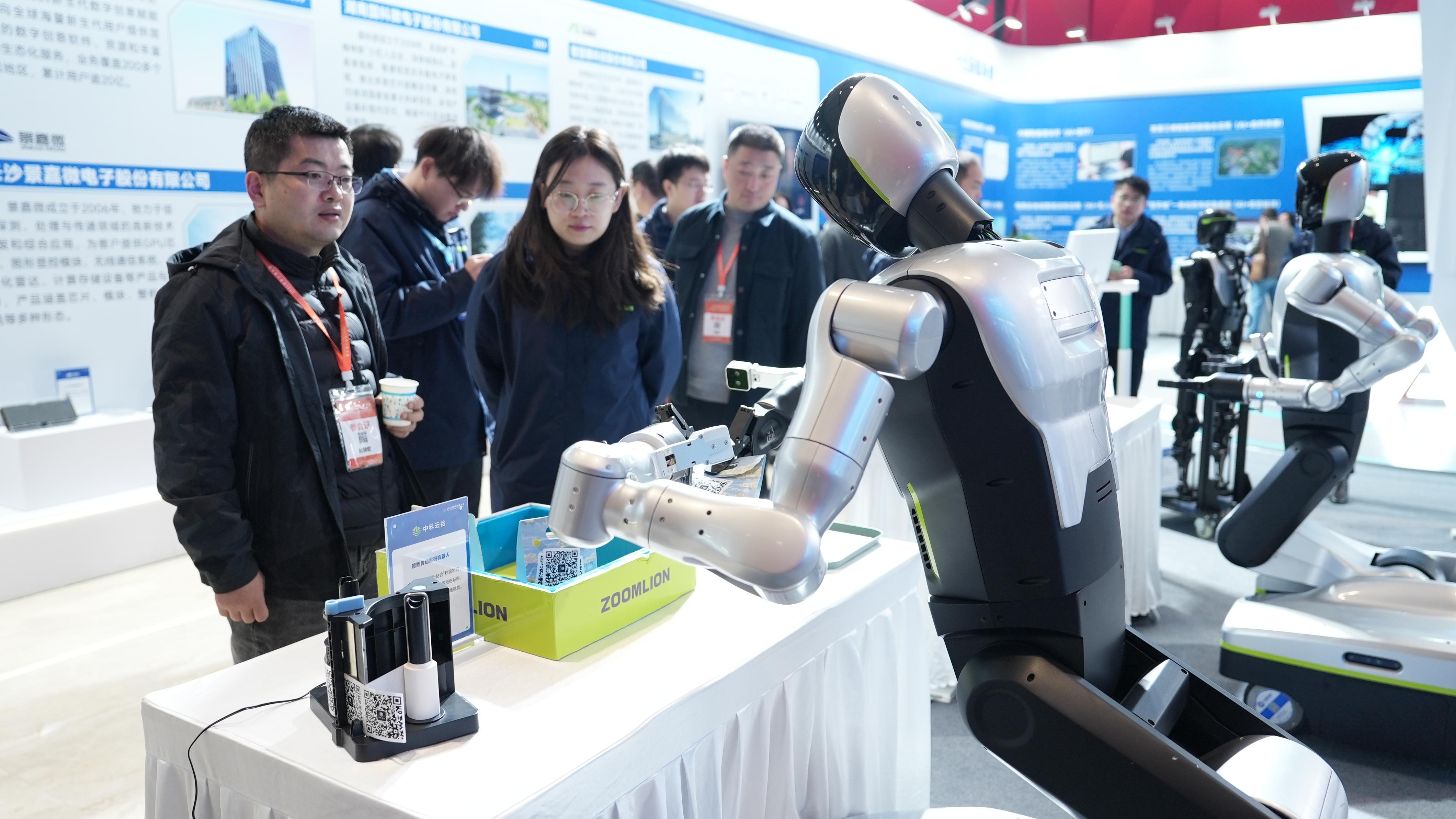
New quality productive forces mean advanced productivity where innovation plays the leading role and which is free from the traditional economic growth mode and productivity development paths.

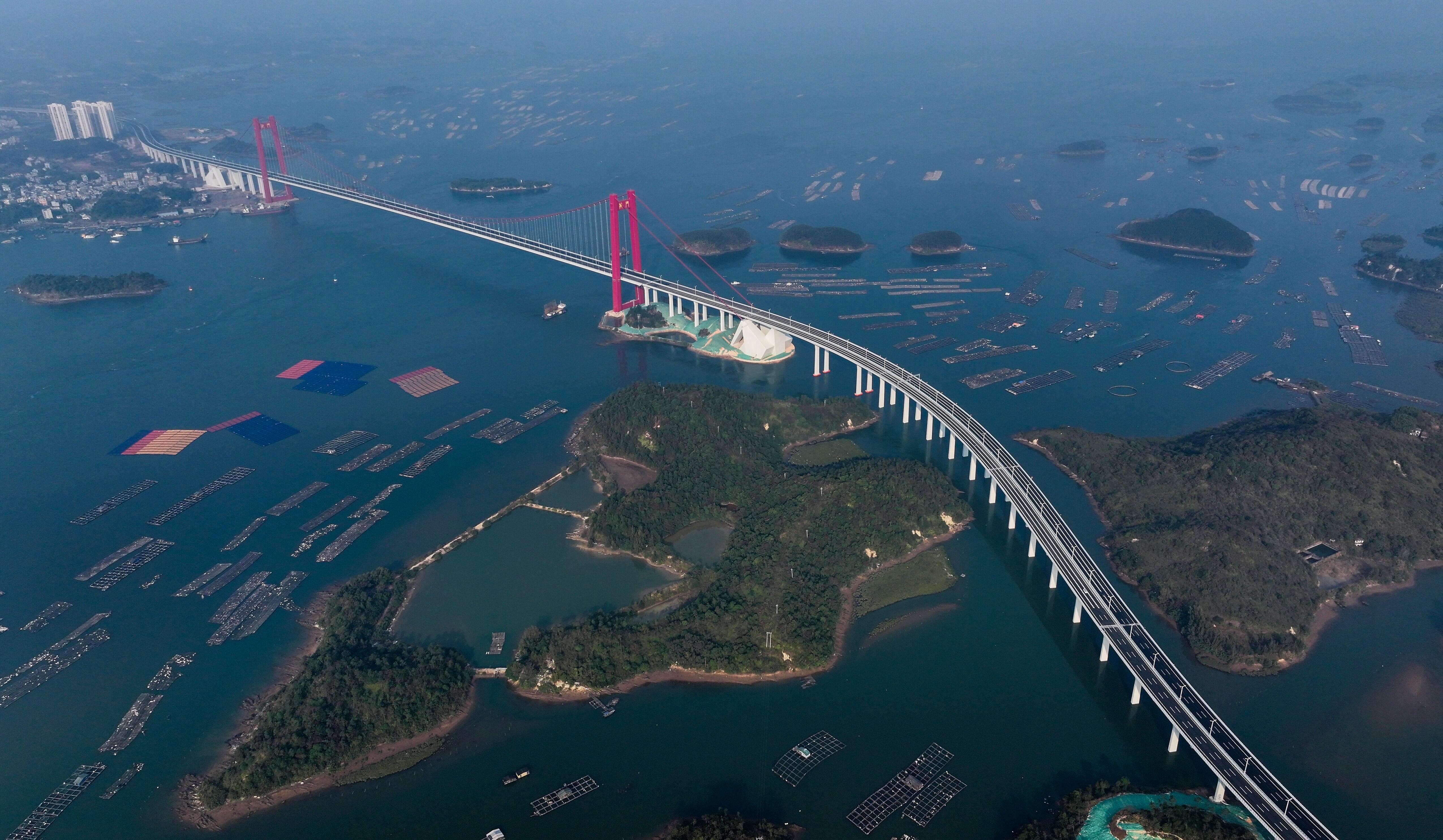
The 15th National Games, hosted for the first time across three areas-Guangdong, Hong Kong and Macao in south China, one of China's most dynamic economic regions collectively known as the Greater Bay Area, highlight China's technological prowess.
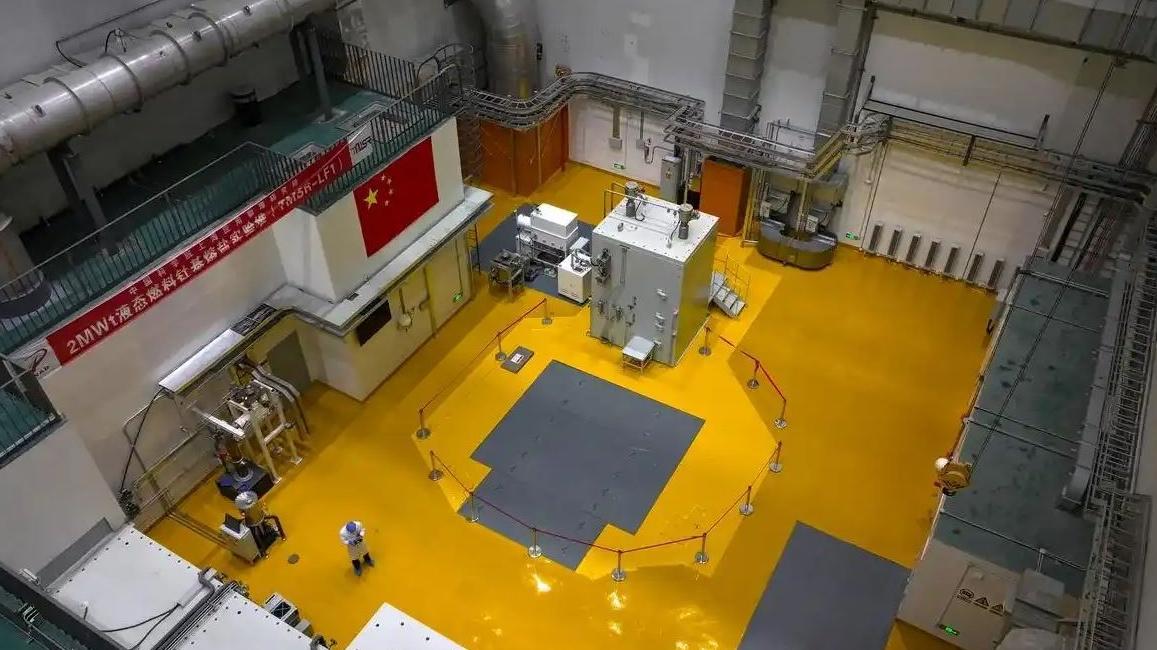
In early November, the experimental operation of a 2-megawatt liquid-fuel thorium-based molten salt reactor (TMSR), led by the Shanghai Institute of Applied Physics, Chinese Academy of Sciences (CAS), achieved the world's first thorium-uranium nuclear fuel conversion in Wuwei, Gansu province.
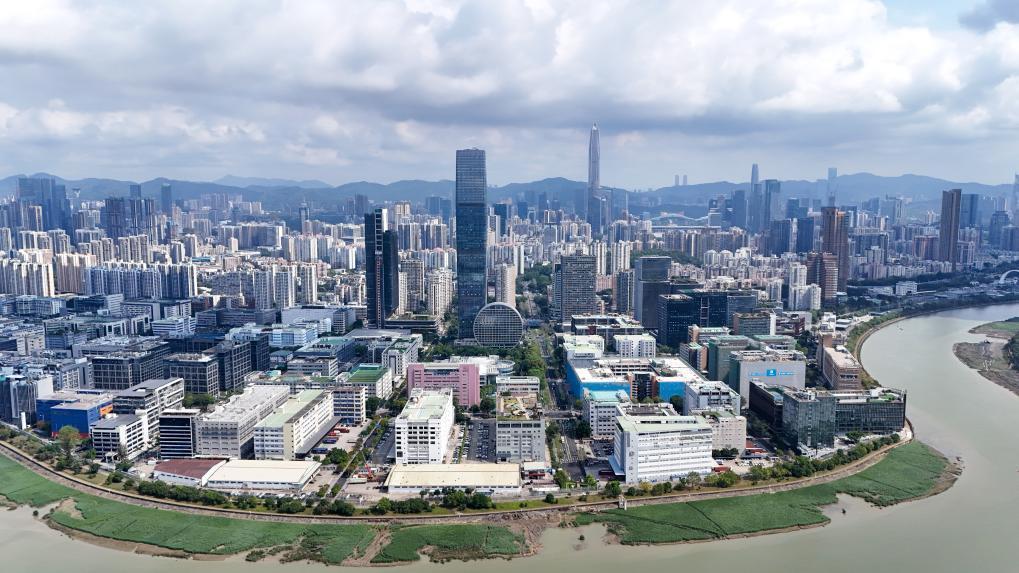
According to the Recommendations, Chinese modernization must be underpinned by modernization in science and technology. They detail the goal of "Achieving Greater Self-Reliance and Strength in Science and Technology and Steering the Development of New Quality Productive Forces" in four specific aspects.

Chinese President Xi Jinping has sent a congratulatory letter to the Science and Technology Daily on the occasion of the 40th anniversary of its founding.
Many people have noticed that the date on the Gregorian calendar of the Qingming Festival, a time when Chinese honor their ancestors, is not fixed. In 2025, Qingming fell on April 4, while in 2026 it falls on April 5. So, why does the date of Qingming vary from year to year, when the precise moment of its onset is calculated down to the minute? Science and Technology Daily spoke to Yan Weiguo, president of the Tianjin Astronomical Society, to find out the reason.